








What's Happening?
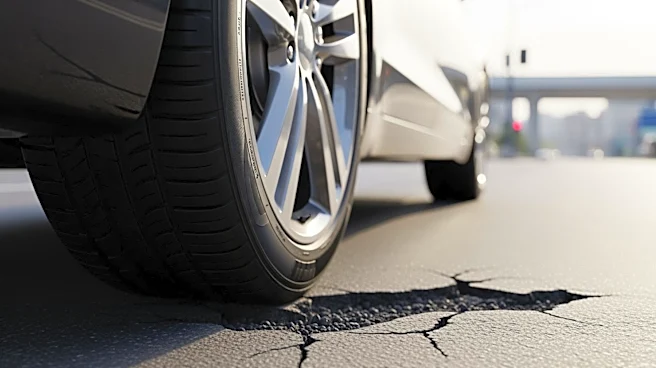
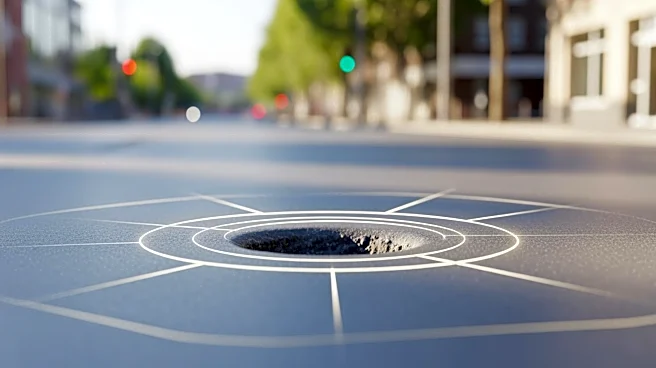
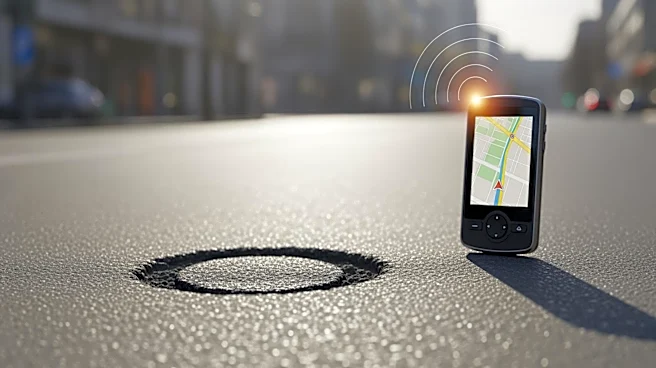
Waymo and Waze have announced a collaborative effort to tackle the increasing pothole problem in Los Angeles. The initiative involves using Waymo's self-driving cars to detect potholes, with the data being shared with city officials through Waze's traffic
data-sharing platform. This partnership comes in response to a significant rise in potholes following a particularly rainy season, with over 6,700 potholes reported in January alone. The program aims to improve road safety and infrastructure by providing real-time data to city officials and warning drivers of potholes through the Waze app. The initiative is part of a broader effort by Waymo to enhance road safety and infrastructure, and it is currently being piloted in five cities, including San Francisco, Phoenix, Austin, and Atlanta.
Why It's Important?
The collaboration between Waymo and Waze represents a significant step in leveraging technology to address urban infrastructure challenges. By providing real-time data on road conditions, the initiative could lead to more efficient and timely repairs, improving road safety and reducing vehicle damage. This approach also highlights the potential for public-private partnerships in solving municipal issues, potentially setting a precedent for other cities facing similar challenges. The program's success could encourage further integration of autonomous vehicle technology in urban planning and infrastructure maintenance, benefiting both residents and local governments.
What's Next?
The pilot program is expected to expand to cities with colder climates, where pothole issues are exacerbated by weather conditions. As the program progresses, it will be crucial to monitor its impact on road maintenance efficiency and safety improvements. The data collected could also inform future urban planning and infrastructure projects, potentially leading to more widespread adoption of similar technologies. Stakeholders, including city officials and residents, will likely evaluate the program's effectiveness in addressing the pothole problem and its potential for broader application.