





What's Happening?
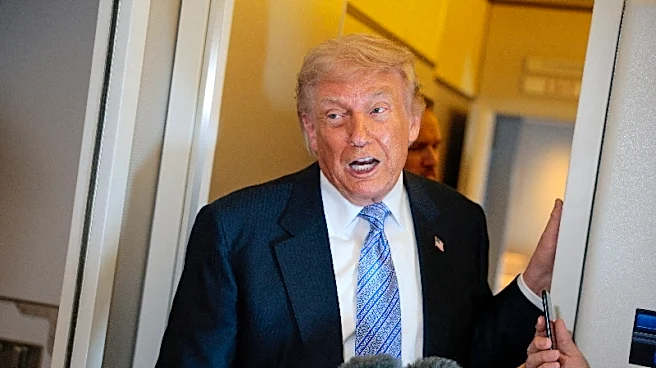
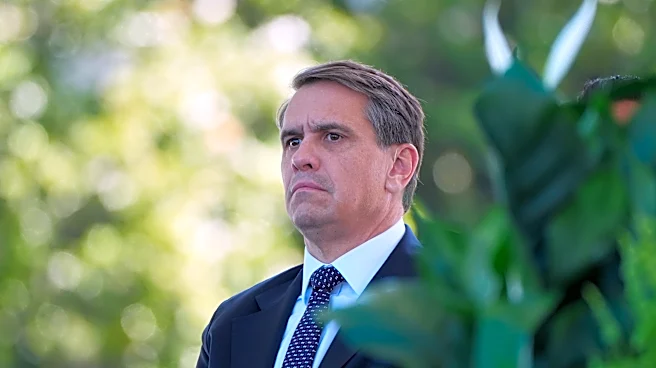
President Trump has nominated new Inspectors General (IG) for various federal agencies, marking a shift from previous appointments that were criticized for political ties. Notably, Don Berthiaume has been nominated to lead the Department of Justice (DOJ)
IG office, having previously served as a senior advisor there. His nomination follows the departure of Michael Horowitz, who left to become the IG for the Federal Reserve. The Federal Vacancies Reform Act limits acting officials to 210 days, which affected Berthiaume's previous acting role. Similarly, Heidi Semann was appointed as acting IG for the Education Department but returned to her previous role due to these time constraints. The nominations have sparked debate, with some praising the candidates' experience in IG offices, while others express concern over their ability to maintain independent oversight.
Why It's Important?
The appointment of Inspectors General is crucial for maintaining oversight and accountability within federal agencies. These roles are intended to be nonpartisan, ensuring that government operations are conducted fairly and transparently. The recent nominations by President Trump, which include individuals with prior IG experience, may help restore confidence in the independence of these offices. However, the history of political influence in such appointments raises questions about the potential for impartial oversight. The effectiveness of these nominees in upholding the integrity of federal programs will be closely watched by government watchdogs and the public.
What's Next?
The Senate will need to confirm these nominations, during which the nominees' qualifications and potential biases will be scrutinized. If confirmed, the new IGs will face significant challenges, including addressing allegations of misconduct and ensuring compliance with federal laws. Their ability to operate independently from political pressures will be critical in restoring trust in the oversight process. The outcome of these confirmations could influence future appointments and the overall approach to federal oversight under the current administration.