






What's Happening?
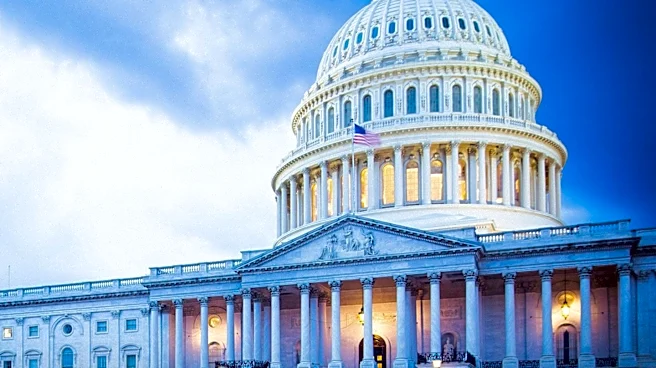
Congresswoman Lizzie Fletcher (TX-07) and Congressman Randy Weber (TX-14) have jointly introduced the Coastal Resilience Investment Act. This bipartisan legislation aims to bolster coastal communities and resources by establishing the National Fish and Wildlife
Foundation Coastal State Fund. The fund, to be managed by the National Fish and Wildlife Foundation (NFWF), is designed to provide $50 million annually from Fiscal Years 2028 to 2032. These funds will be allocated as grants to coastal states to support and promote coastal resources, infrastructure, and ecosystems. The act specifies a funding allocation formula: 70 percent will be divided equally among coastal states, 15 percent will be distributed based on each state's tidal shoreline ratio, and the remaining 15 percent will be allocated according to population density in coastal areas relative to other coastal states. No single state can receive more than five percent of the total funding per fiscal year, with any excess redistributed equally among other coastal states.
Why It's Important?
The introduction of the Coastal Resilience Investment Act is significant for U.S. coastal states, which are increasingly vulnerable to the impacts of coastal flooding and natural disasters. This legislation provides a dedicated funding stream for proactive measures, shifting focus from post-disaster recovery to pre-disaster preparation. By investing in coastal resilience, the act aims to protect vital natural infrastructure, ecosystems, and human communities, thereby reducing long-term economic losses and safeguarding lives. For states like Texas, which frequently experience severe coastal storms, these grants could be crucial for implementing projects that enhance protective barriers, restore natural habitats, and upgrade infrastructure. The bipartisan nature of the bill signals a broad recognition of the urgent need for federal support in addressing coastal vulnerabilities, potentially fostering more collaborative efforts between federal and state entities in environmental protection and disaster preparedness.
What's Next?
The Coastal Resilience Investment Act will now proceed through the legislative process in Congress. It will likely be referred to relevant committees for review, debate, and potential amendments. Supporters will work to garner additional bipartisan backing to ensure its passage. If enacted, the National Fish and Wildlife Foundation will be tasked with establishing and managing the Coastal State Fund, developing guidelines for grant applications, and overseeing the distribution of funds to eligible coastal states. States will then need to develop proposals for projects that align with the act's objectives, focusing on coastal resource protection, infrastructure improvements, and ecosystem restoration. The success of the act will depend on its ability to secure consistent funding and the effective implementation of resilience projects by state and local governments over the specified fiscal years.
Beyond the Headlines
This legislation reflects a broader national trend towards recognizing and addressing the long-term impacts of environmental changes on coastal regions. Beyond immediate disaster preparedness, the act's emphasis on ecosystems and natural infrastructure highlights a growing understanding of nature-based solutions as cost-effective and sustainable approaches to resilience. It could also spur innovation in coastal management strategies, encouraging states to adopt integrated approaches that combine engineering solutions with ecological restoration. The funding mechanism, which considers factors like tidal shoreline and population density, aims to distribute resources equitably while acknowledging varying levels of vulnerability and need among coastal states. This could lead to a more strategic and data-driven approach to coastal protection nationwide, fostering a more resilient future for communities along the U.S. coastlines.