






What's Happening?
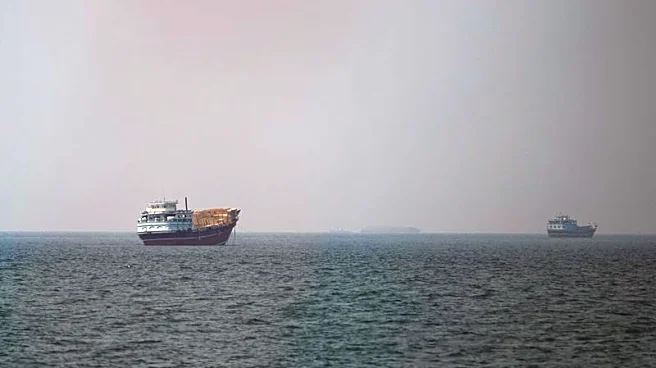
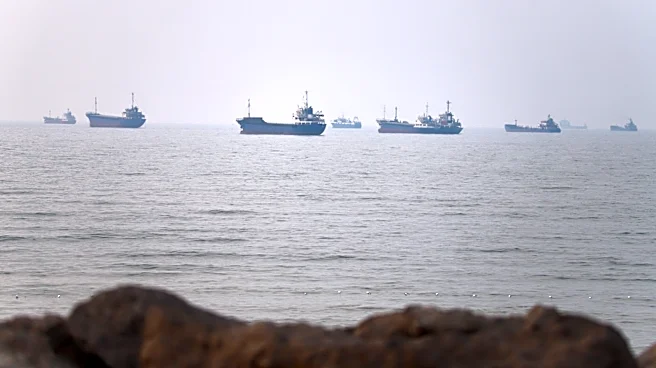
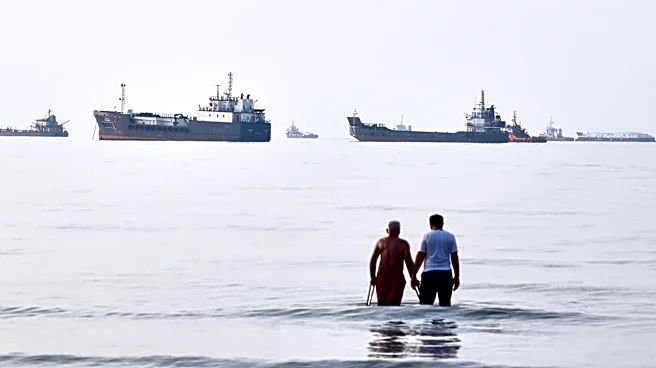
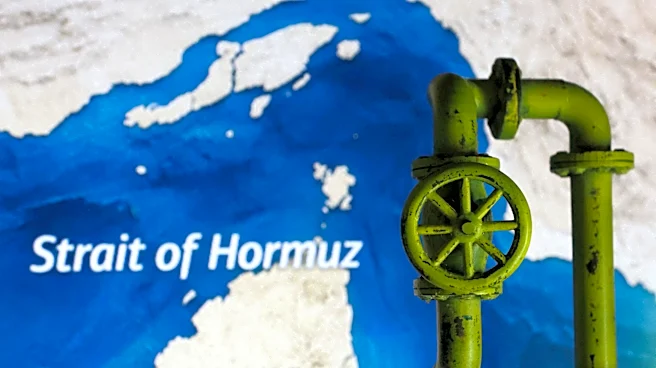
Oil prices surged significantly after President Trump announced the reinstatement of a blockade on Iranian ships transiting the Strait of Hormuz, coupled with a proposed 20% charge on all other cargo moving through this critical waterway. This decision
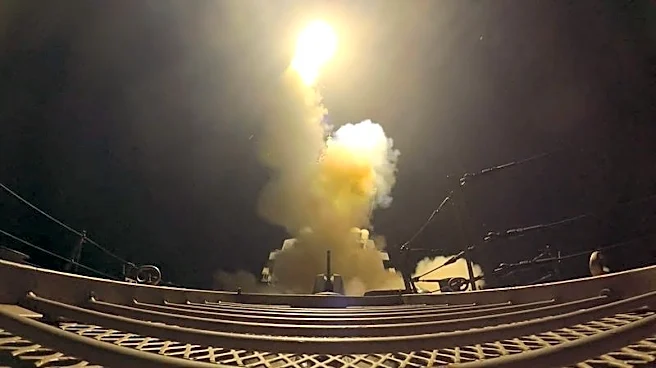
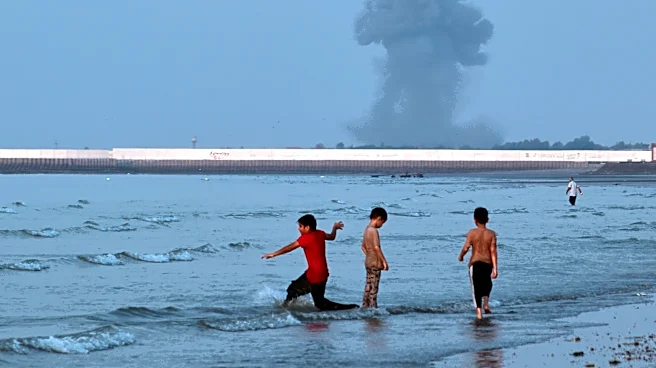
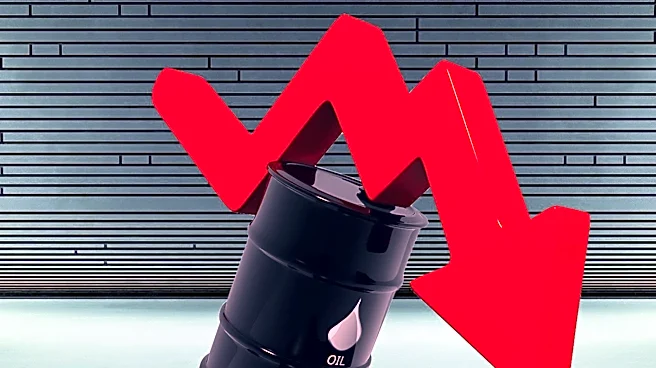
has reignited concerns over global energy supplies, with West Texas Intermediate futures jumping 9.4% to settle near $78 per barrel, and Brent crude closing above $83 per barrel. The announcement follows a series of U.S. and Iranian strikes over the weekend, which have heightened tensions and disrupted hopes for normalized shipping through Hormuz. The U.S. Central Command is set to enforce the blockade starting Tuesday, raising the risk of further attacks on commercial shipping. The International Maritime Organization has expressed opposition to charging fees for passage through international straits.
Why It's Important?
The reinstatement of the Hormuz blockade and the proposed transit fee have significant implications for global oil markets and geopolitical stability. The Strait of Hormuz is a vital chokepoint for global oil transit, and any disruption can lead to increased oil prices, affecting economies worldwide. The proposed 20% transit fee could lead to higher shipping costs, which would likely be passed on to consumers in the form of increased crude prices. This move also escalates tensions in the Middle East, potentially leading to further military confrontations and impacting global energy security. The geopolitical risk premium on crude markets has been restored, reversing the price retreat seen after a recent U.S.-Iran peace agreement.
What's Next?
The enforcement of the blockade by U.S. Central Command is expected to begin soon, which could lead to increased military activity in the region. Analysts warn that this could result in further attacks on commercial shipping, exacerbating tensions and potentially leading to broader conflict. The market is closely watching for details on how the proposed transit fee will be implemented and whether it will be accepted by U.S. allies in the Gulf. The situation remains fluid, with potential for further escalation or diplomatic efforts to de-escalate tensions.