



What's Happening?
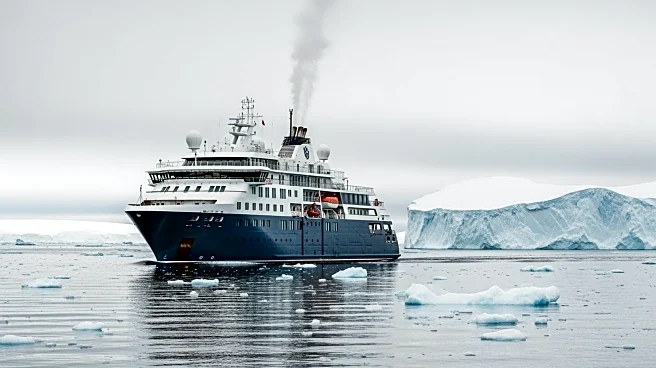
Antarctica21, a leading air-cruise expedition operator to Antarctica, is continuing its use of synthetic e-Gasoline for Zodiac landing operations, marking a significant step towards lower-emission exploration in the region. The e-Gasoline, produced from
green hydrogen and recycled CO₂ at HIF’s Haru Oni plant in Punta Arenas, is used in the fleet of 10 Zodiac boats that transport guests from Magellan Explorer to Antarctic shores. This initiative significantly reduces the carbon footprint of landing operations without requiring modifications to the boats’ existing engines. Antarctica21 is also exploring the use of synthetic marine diesel (e-MGO) for ship engines and synthetic aviation fuel (e-SAF) for flight operations. The company has been recognized for its sustainable practices, being CarbonNeutral certified since 2019 and named one of the 'Best Managed Chilean Companies' by Deloitte for four consecutive years.
Why It's Important?
The adoption of synthetic e-Fuels by Antarctica21 represents a significant advancement in sustainable tourism, particularly in fragile ecosystems like Antarctica. By reducing emissions, the company is setting a precedent for the tourism industry, demonstrating that environmental responsibility can be integrated into business operations. This move not only helps protect the Antarctic environment but also positions Antarctica21 as a leader in green innovation within the tourism sector. The use of e-Fuels could inspire other companies to adopt similar practices, potentially leading to broader industry changes and contributing to global efforts to combat climate change.
What's Next?
Antarctica21 plans to continue its collaboration with HIF to further integrate e-Fuels into its operations. The company is evaluating the use of synthetic marine diesel and aviation fuel, which could further reduce emissions from its ships and flights. As guests explore Antarctica, they will be educated on the use of e-Fuels and their potential to transform the tourism industry. This initiative may encourage other tourism operators to consider sustainable fuel options, potentially leading to increased demand for synthetic fuels and further technological advancements in the sector.
Beyond the Headlines
The use of synthetic e-Fuels in Antarctic tourism highlights the ethical responsibility of businesses to minimize their environmental impact. This development could lead to increased scrutiny of tourism practices in sensitive regions, prompting more companies to adopt sustainable technologies. Additionally, the collaboration between Antarctica21 and HIF showcases the potential for cross-industry partnerships to drive innovation and sustainability. As awareness of climate change grows, such initiatives may become more common, influencing public policy and consumer expectations regarding environmental stewardship.