







What's Happening?
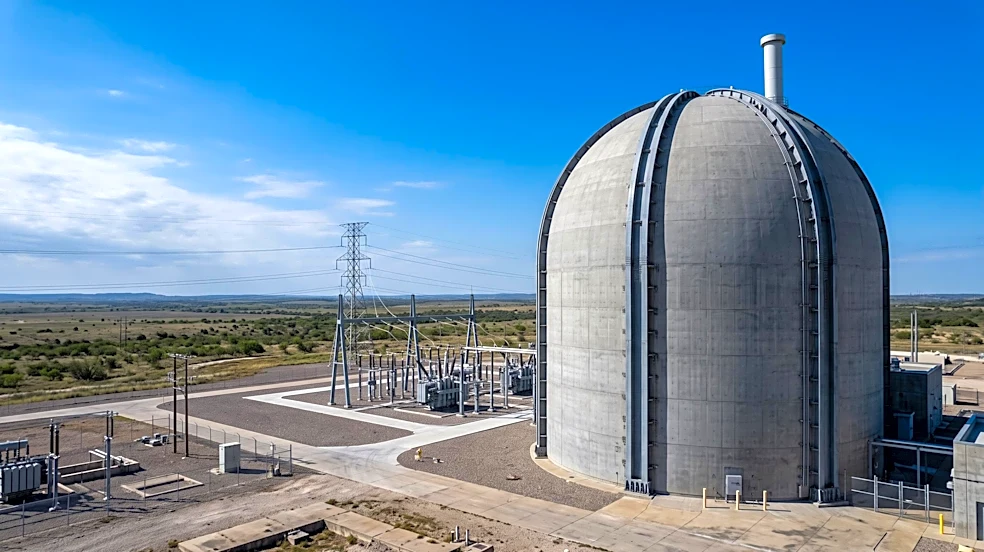
Indiana is considering a significant expansion of its nuclear power generation capacity, with plans to develop up to eight CANDU nuclear reactors, potentially adding as much as 6 gigawatts (GW) of baseload electricity. This initiative is a collaboration
between the State of Indiana, Hoosier Energy Rural Electric Cooperative, and Canadian engineering and nuclear technology company AtkinsRéalis. The agreement is currently a memorandum of understanding, focusing on evaluating potential sites, financing, electricity purchase agreements, and grid infrastructure requirements. The state aims to address the increasing electricity demand driven by data centers, artificial intelligence, and industrial development. The proposal also includes assessing opportunities to convert retired or retiring fossil fuel generation sites into nuclear facilities, leveraging existing energy infrastructure.
Why It's Important?
This potential nuclear expansion is crucial for Indiana's energy future and has broader implications for the U.S. energy landscape. The rapid growth of power-intensive industries like AI infrastructure and data centers is creating unprecedented demand for reliable, around-the-clock electricity. Nuclear energy offers a carbon-free, baseload power source that can meet this demand, reducing reliance on fossil fuels and contributing to climate goals. For Indiana, securing a stable and abundant energy supply is vital for economic growth and attracting further investment in high-tech sectors. The project could also stimulate the domestic nuclear supply chain, create specialized jobs, and establish a model for other states facing similar energy challenges. However, the significant upfront costs and regulatory hurdles associated with nuclear projects remain key considerations.
What's Next?
The next phase involves detailed evaluations of potential sites, financial models, and regulatory approvals. AtkinsRéalis has already begun the U.S. regulatory licensing process for its CANDU technology, submitting the first of seven planned technical reports to the U.S. Nuclear Regulatory Commission. While no construction schedule or final capital investment figure has been announced, the partners will need to secure financing, obtain environmental assessments, and finalize agreements with electricity buyers. The initiative may also involve constructing smaller natural gas-fired power plants as an interim solution before the nuclear capacity becomes operational. The success of this project could pave the way for similar large-scale nuclear developments across North America, as utilities seek dependable generating capacity.
Beyond the Headlines
The Indiana nuclear expansion project highlights a broader shift in energy policy and public perception towards nuclear power in the U.S. After decades of limited new nuclear plant construction, there is renewed interest driven by climate change concerns and the energy demands of the digital economy. This development could signal a revitalization of the U.S. nuclear industry, fostering innovation in reactor design and construction. Ethically, the project raises questions about long-term waste management and safety, which are perennial concerns for nuclear energy. Culturally, it reflects a growing acceptance of nuclear power as a viable and necessary component of a diversified energy portfolio. The long-term implications could include a more resilient and decarbonized national grid, but also require robust regulatory oversight and public engagement to ensure safety and sustainability.