



What's Happening?
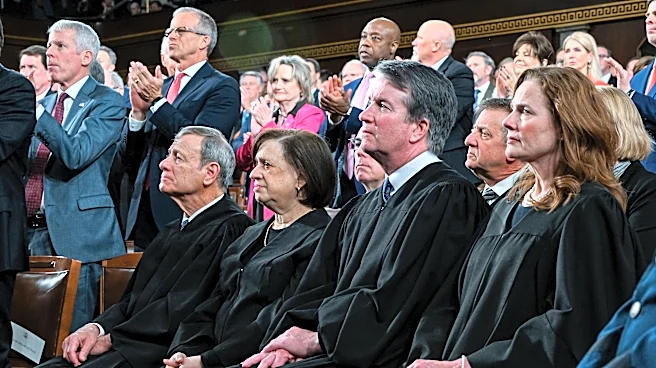
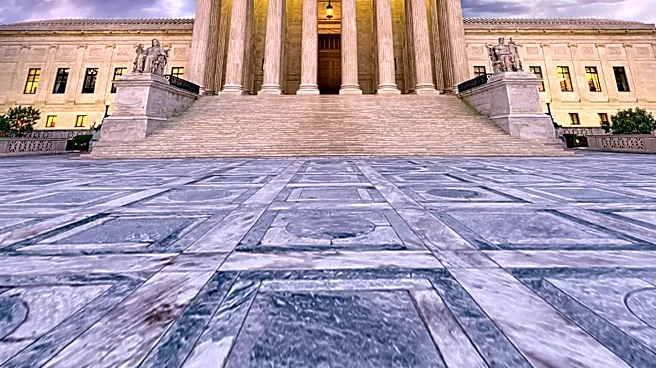
The U.S. Supreme Court has rejected the Trump administration's request to implement new United States Postal Service (USPS) policies concerning mail-in ballots. This ruling prevents the USPS from enforcing its new rules for the 2026 midterm elections.
The legal battle began in March 2026 after President Trump issued an executive order directing the USPS to change how it processes and distributes mail ballots. This order led to multiple lawsuits from pro-democracy groups, including the Campaign Legal Center (CLC), which argued against the changes. A federal court in Massachusetts initially blocked the USPS's new regulations, and the Trump administration subsequently sought to overturn that order at the Supreme Court. The Supreme Court's decision means that the order blocking the USPS rule remains in place, allowing voters to continue to confidently vote by mail.
Why It's Important?
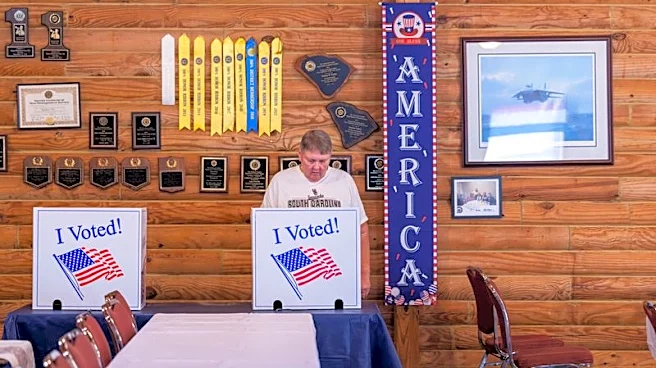
This Supreme Court decision is a significant victory for voting rights advocates and ensures the continued accessibility and security of mail-in voting for the upcoming midterm elections. The Trump administration's executive order was viewed by many as an attempt to limit access to mail-in voting, a method that has become increasingly crucial for many Americans, particularly in recent years. The ruling reaffirms the principle that independent agencies like the USPS should function autonomously to serve the American people, rather than being used for political interests. By preventing the enforcement of new, potentially restrictive, mail-in voting policies, the Supreme Court has helped to safeguard the integrity of the electoral process and protect the freedom to vote for millions of Americans. This outcome also highlights the role of pro-democracy organizations in challenging executive actions that could undermine democratic processes.
What's Next?
With the Supreme Court's rejection, the USPS will not be able to implement the new mail-in voting policies for the 2026 midterm elections. This means that existing mail-in voting procedures will remain in effect, providing clarity and stability for voters and election officials. Pro-democracy groups, including the Campaign Legal Center, will likely continue to monitor any further attempts to alter voting procedures and will remain vigilant in defending voting rights. The decision may also influence future discussions and legislative efforts regarding election administration and the role of federal agencies in the electoral process. While this specific attempt by the Trump administration has been thwarted, the broader debate over mail-in voting and election security is expected to continue in the political arena.
Beyond the Headlines
This case delves into the fundamental principles of democratic governance, particularly the balance of power between the executive branch and independent agencies, and the judiciary's role in upholding constitutional rights. The attempt to alter mail-in voting procedures through an executive order raises questions about the potential for executive overreach and the weaponization of federal institutions for political gain. The Supreme Court's intervention underscores the importance of judicial review in protecting the integrity of elections and ensuring that all citizens have equitable access to the ballot box. Furthermore, the ongoing debate surrounding mail-in voting reflects deeper societal divisions about trust in institutions, the nature of electoral fraud, and the future of democratic participation in the United States.