





What's Happening?
A significant heat wave is expected to impact large parts of the United States, with temperatures forecasted to exceed 100 degrees Fahrenheit in many areas. According to AccuWeather, a heat dome will form over the interior West this weekend, spreading
into the Midwest and parts of the East. This weather pattern is likely to challenge temperature records from Nevada to Wisconsin, with extreme heat warnings already in effect across several states, including Utah, Wyoming, and North Dakota. The National Weather Service has issued warnings for dangerous heat conditions, which could significantly increase the risk of heat-related illnesses. The heat wave is expected to last into next week, with the most intense heat focusing on the northern Rockies and Midwest.
Why It's Important?
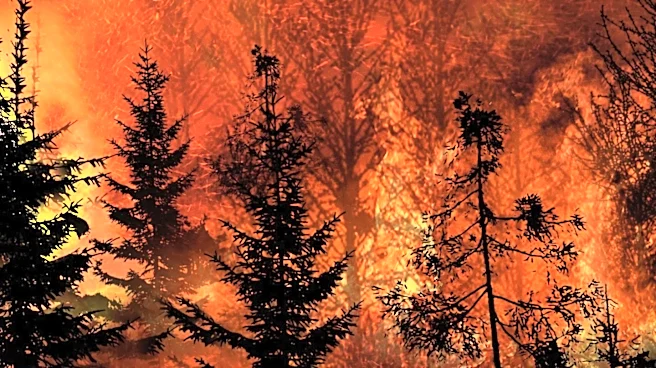
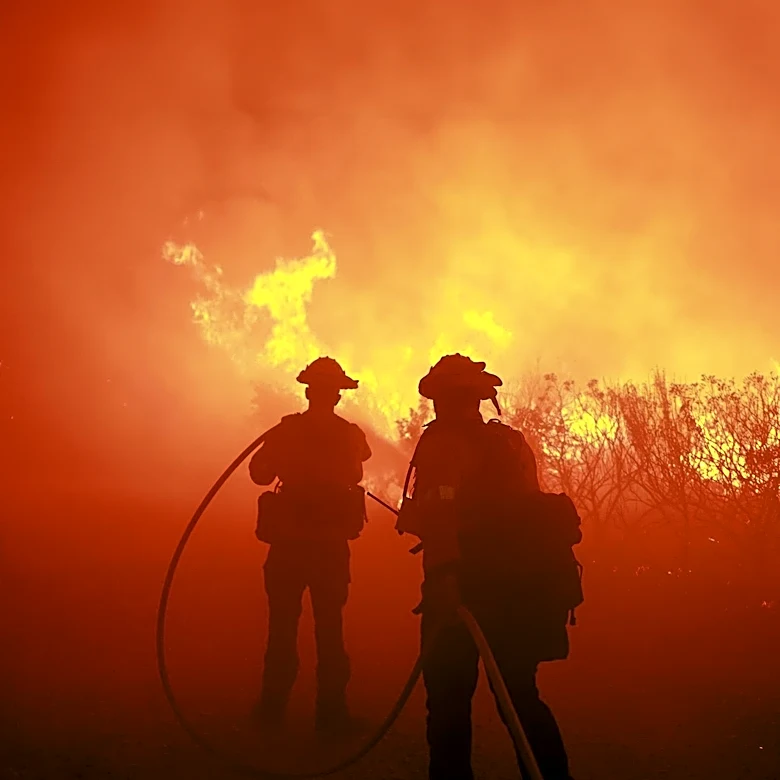
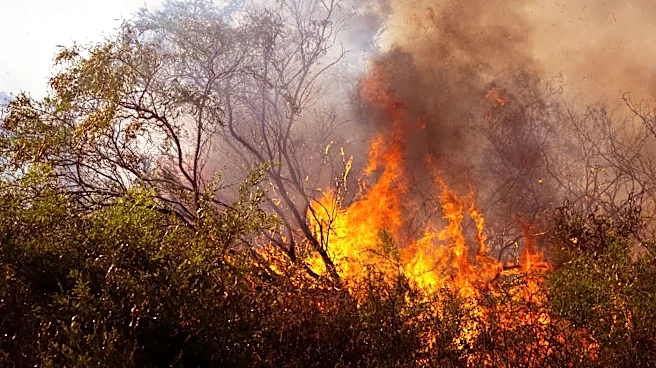
The upcoming heat wave poses serious health risks, particularly in regions unaccustomed to such extreme temperatures. The prolonged heat can lead to increased cases of heat exhaustion and heat stroke, especially among vulnerable populations such as the elderly and those without access to air conditioning. Additionally, the heat wave could exacerbate drought conditions and increase the risk of wildfires in affected areas. The economic impact could be significant, with potential disruptions to agriculture and increased energy demand as people seek to cool their homes. The situation underscores the importance of preparedness and the need for public health advisories to mitigate the risks associated with extreme weather events.
What's Next?
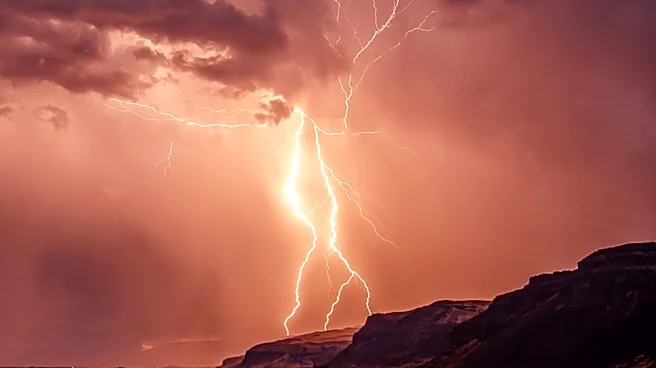
As the heat dome progresses, meteorologists expect the heat to expand eastward, affecting cities in the Midwest and Northeast. The National Weather Service and local authorities are likely to continue issuing heat advisories and warnings. Residents in affected areas are advised to stay hydrated, avoid strenuous outdoor activities, and check on vulnerable neighbors. The North American monsoon may bring some relief to the interior West with thunderstorms, but it also poses risks of gusty winds and lightning, which could ignite wildfires. Monitoring the situation and staying informed through weather updates will be crucial in the coming days.