

What's Happening?
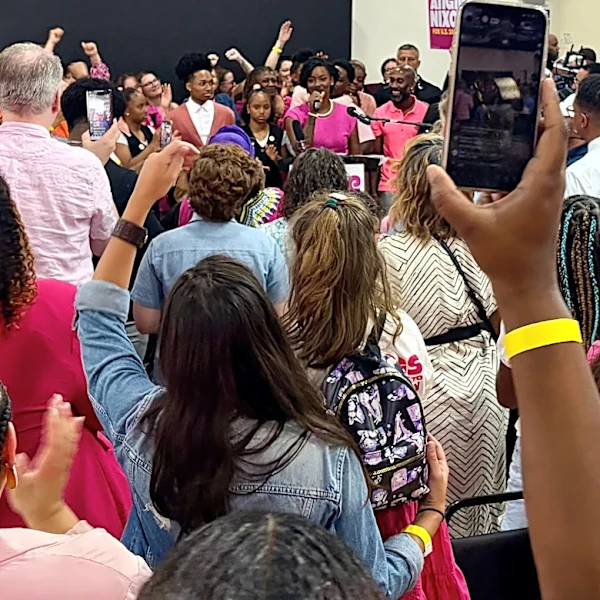
Steven Tendo, a Ugandan asylum seeker and licensed nursing assistant at UVM Medical Center, attended a routine check-in at the Immigration and Customs Enforcement (ICE) facility in St. Albans, Vermont. Supporters gathered, anticipating his potential detention.
However, Tendo emerged 15 minutes later, having been granted a 90-day extension before his next required check-in. Tendo has been living in Vermont since 2021 under a stay of removal, which temporarily halted his deportation order. He is currently barred from working while his legal process is ongoing. Tendo expressed gratitude for the overwhelming community support he has received from Vermonters, who have provided housing, food, and educational assistance.
Why It's Important?
This development is significant for Steven Tendo and highlights the ongoing complexities of the U.S. immigration system, particularly for asylum seekers. The 90-day extension provides a temporary reprieve, allowing Tendo to remain in the U.S. and continue his legal efforts to secure asylum. His inability to work, despite being a healthcare professional, underscores the economic and personal challenges faced by many asylum seekers during their legal processes. The strong community support Tendo has received in Vermont demonstrates the role of local advocacy and humanitarian efforts in assisting individuals navigating the immigration system. This case also brings attention to the broader debate surrounding immigration policies, the treatment of asylum seekers, and the balance between national security and humanitarian concerns.
What's Next?
Steven Tendo will have 90 days before his next routine check-in with ICE. During this period, he and his legal team will likely continue to pursue avenues for his asylum claim, aiming to secure a more permanent resolution to his immigration status. The community support he has garnered is expected to persist, potentially aiding in his legal expenses and living costs while he remains unable to work. The outcome of his asylum case will depend on various factors, including legal arguments, evidence presented, and the discretion of immigration authorities. His situation will continue to be a focal point for immigration advocates and local community members in Vermont.
Beyond the Headlines
Steven Tendo's case illuminates the human dimension of immigration policy and the profound impact of legal status on individuals' lives. As a healthcare worker, his inability to practice his profession due to his immigration status represents a loss of valuable skills to the community, especially in a sector often facing shortages. The outpouring of support from Vermonters reflects a growing trend of local communities actively engaging in immigration issues, often in response to perceived injustices or humanitarian needs. This collective action highlights the tension between federal immigration enforcement and local community values, raising questions about how best to integrate and support individuals seeking refuge. Tendo's story is a microcosm of the broader national conversation about compassion, legal frameworks, and the role of civil society in addressing complex immigration challenges.