






What's Happening?
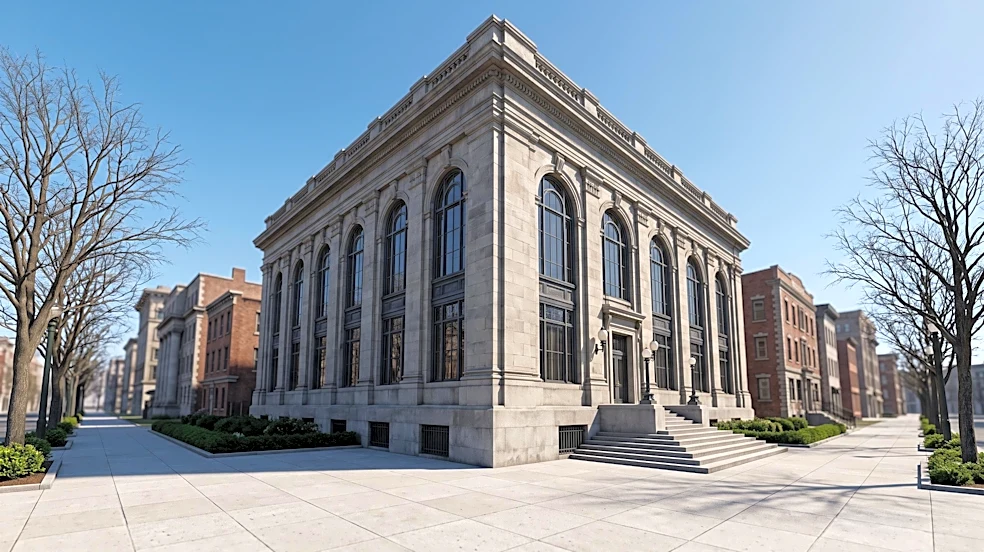
The city of Dubuque's plan to consolidate administrative offices into the former Dubuque Bank & Trust building has initiated a debate regarding the future of several city-owned properties, particularly the Historic Federal Building. The City Council recently
approved a $1.8 million purchase of the former DB&T site, with an additional $1.6 million allocated for redesign to house various city departments. This move aims to centralize city services along a three-block stretch of Central Avenue. As part of this restructuring, Assistant City Manager Cori Burbach indicated plans to sell the City Hall Annex and Engine House No. 1. City Manager Mike Van Milligen also suggested the Historic Federal Building might be put on the market, a proposal that has met with hesitation from Mayor Brad Cavanagh and public opposition. The city's budget for the DB&T purchase involved canceling a $6 million replacement of the Federal Building's outdated heating and cooling system.
Why It's Important?
This restructuring plan carries significant implications for Dubuque's urban development, financial management, and historical preservation efforts. The consolidation of city services is presented as an efficiency measure, potentially saving taxpayer money through reduced leases and utility costs. However, the potential sale of the Historic Federal Building raises concerns among preservationists and some community members. This building, opened in 1934, features Art Deco architecture and murals by students of Grant Wood, representing a significant piece of Dubuque's cultural and architectural heritage. Its sale could lead to changes that impact its historical integrity and public access, including the continued viability of the downtown post office, which currently operates within the building. The debate highlights the tension between fiscal responsibility and the preservation of historic assets.
What's Next?
The redesign of the former Dubuque Bank & Trust building is expected to take approximately one year before city offices can relocate. In the interim, discussions regarding the fate of the Historic Federal Building are likely to continue. Council members, such as Katy Wethal, have expressed a commitment to ensuring the building's historical preservation, even if it is sold. Any changes to the building's ownership would necessitate consultation with the federal government, as it previously housed federal operations and currently hosts monthly bankruptcy court sessions. The U.S. Postal Service, which occupies part of the building, has also indicated a desire to reduce its footprint, suggesting that a new owner would become its landlord and negotiate future configurations. The city will need to balance financial incentives with community sentiment and historical preservation mandates.
Beyond the Headlines
The situation in Dubuque reflects a broader challenge faced by many American cities: how to modernize municipal operations and achieve financial efficiencies while safeguarding valuable historical architecture. The Historic Federal Building is not just an office space but a repository of local history and art, embodying the public works efforts of the Great Depression era. Its potential sale brings to the forefront questions about the intrinsic value of such structures beyond their immediate utility and the role of local government in stewardship of cultural heritage. The outcome in Dubuque could set a precedent for how other cities approach similar dilemmas, influencing policies on urban redevelopment, historic preservation, and the adaptive reuse of public buildings in an evolving urban landscape.