








What's Happening?
Arlington National Cemetery has announced updates regarding its tram tours and group visit procedures. Arlington National Cemetery Tours, Inc., the sole authorized interpretive tour bus service, operates daily tram tours from 8:30 a.m. to 4 p.m., departing
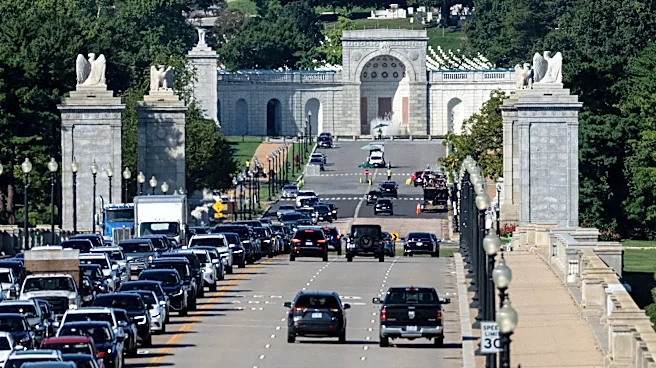
every 20 minutes. These tours include six regular stops, with an additional three stops on weekends. The cemetery emphasizes that it remains an active burial ground, and funeral services may necessitate rerouting or temporary closure of tour stops. For groups of 20 or more, specific contact information is provided for booking and charter services. Additionally, the cemetery has issued a fact sheet for tour guides and school leaders bringing groups, detailing security procedures and arrival times. Visitors over 18 entering the cemetery in a vehicle, including drivers and passengers, must present a REAL ID-compliant identification at security checkpoints. This requirement applies to funeral attendees, family pass holders, honor flights, contractors without Department of Defense (DoD) Common Access Cards or Automated Installation Entry badges, and family-hired photographers and florists. However, visitors arriving by foot, Metro, or ride-share services who park in the Welcome Center garage are exempt from the REAL ID requirement, undergoing standard physical security screening instead.
Why It's Important?
These updates are important for ensuring the smooth operation of tours and maintaining security at a site of national significance. The REAL ID requirement for vehicular entry reflects broader national security standards and impacts a specific segment of visitors, particularly those driving into the cemetery. By clarifying procedures for large groups and tour operators, Arlington National Cemetery aims to enhance visitor experience while upholding the solemnity and operational needs of an active military cemetery. The distinction in identification requirements based on entry method highlights a tiered security approach, balancing accessibility with necessary safeguards. This could affect travel planning for groups and individuals, requiring them to be aware of the specific identification needed to avoid delays or denied entry. The emphasis on funeral reroutes also underscores the cemetery's primary function and the need for visitors to be flexible and respectful of ongoing services.
What's Next?
Visitors planning to enter Arlington National Cemetery by vehicle will need to ensure they possess REAL ID-compliant identification. Tour operators and group leaders are advised to consult the provided fact sheet for updated security procedures and arrival protocols to facilitate their visits. The cemetery will continue to operate its tram tours, with potential adjustments for funeral services. Honor Flight Network requests for veteran visits to Washington, D.C. memorials are accepted six months to a year in advance, requiring submission at least two weeks prior to the visit. Public wreath ceremonies at the Tomb of the Unknown Soldier will also continue, though official events may take precedence. These ongoing operations and requirements necessitate continued awareness and adherence from all visitors and tour organizers to ensure respectful and efficient access to the national landmark.
Beyond the Headlines
The implementation of REAL ID requirements at Arlington National Cemetery for vehicular entry reflects a broader national trend towards enhanced security measures at federal facilities. This policy, while practical for security, also subtly reinforces the importance of official identification in accessing significant national sites. The careful balance between accommodating a large volume of visitors, including tourists and those attending solemn ceremonies, and maintaining the sanctity and operational integrity of an active cemetery, presents a continuous challenge. The cemetery's detailed guidelines for group tours and identification underscore a commitment to both public access and national security, highlighting the evolving landscape of visitor management at sensitive locations. This approach could serve as a model for other national monuments and federal sites grappling with similar security and access considerations.