
What's Happening?
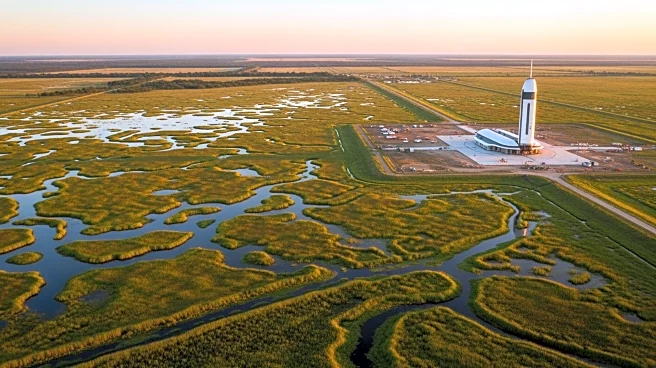
The Trump administration is evaluating a potential land exchange with SpaceX, which would involve granting the aerospace company 775 acres of the Lower Rio Grande Valley National Wildlife Refuge in Cameron
County, Texas. In return, SpaceX would provide 692 acres of its own land located elsewhere in the county. This proposed swap aims to expand SpaceX's rocket launch operations, a move that has sparked concerns about potential ecological damage and threats to local wildlife habitats. The U.S. Fish and Wildlife Service has noted the presence of endangered species such as the ocelot and jaguarundi in the refuge area. While the deal is under consideration, it remains unclear if SpaceX would be required to implement measures to preserve wildlife on the exchanged land.
Why It's Important?
This potential land swap is significant as it highlights the ongoing tension between industrial expansion and environmental conservation. The expansion of SpaceX's operations could bolster American innovation and economic competitiveness, aligning with the administration's goals. However, it also poses risks to the local ecosystem, particularly to endangered species. The decision could set a precedent for how similar conflicts between development and conservation are managed in the future. Stakeholders, including environmental groups and local communities, may be impacted by changes in land use and potential environmental degradation.
What's Next?
If the deal proceeds, it could lead to increased rocket launch activities in South Texas, further solidifying SpaceX's presence in the region. The federal government and SpaceX may need to negotiate terms that address environmental concerns, possibly involving conservation commitments. The outcome of this deal could influence future policy decisions regarding land use and conservation efforts in the U.S., particularly in areas where industrial interests intersect with protected lands.
Beyond the Headlines
The proposed land swap raises broader questions about the balance between technological advancement and environmental stewardship. It underscores the ethical considerations of prioritizing economic growth over ecological preservation. The decision could influence public perception of government and corporate responsibility in managing natural resources, potentially affecting future policy and regulatory frameworks.