








What's Happening?
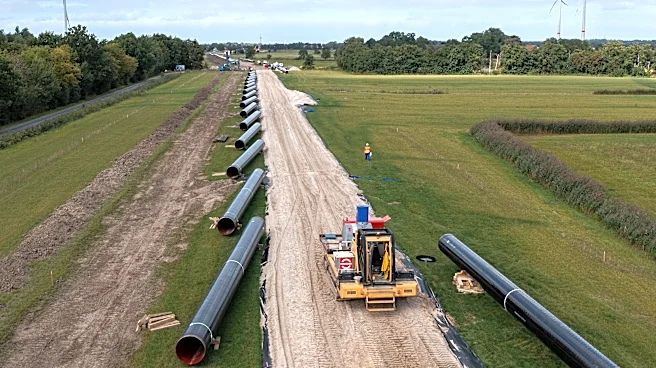
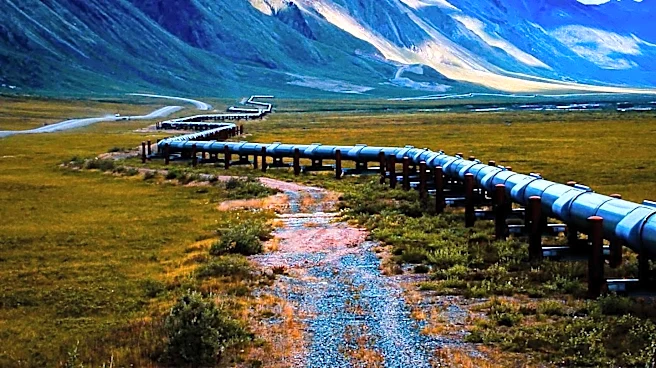
Alberta and Ontario have proposed a new pipeline to transport oil from western Canada to the east, potentially reaching Atlantic export terminals. The proposed pipeline would span 3,300 kilometers from Hardisty, Alberta, to Sarnia, Ontario, with a capacity
of up to 800,000 barrels per day. This initiative aims to diversify Canada's oil export markets beyond the United States. The project faces significant challenges, including financing, regulatory approvals, and consultations with Indigenous communities. A similar project, Energy East, was abandoned in 2017 due to political and environmental opposition.
Why It's Important?
The proposed pipeline represents a strategic effort by Canada to reduce its reliance on the U.S. as its primary oil market. By potentially opening access to European markets, the project could enhance Canada's economic resilience and energy security. However, the initiative also raises environmental and political concerns, particularly regarding Indigenous rights and climate commitments. The project's success or failure could influence future energy infrastructure developments and Canada's position in global energy markets.
What's Next?
The proposal will undergo a feasibility study to assess its viability. Alberta Premier Danielle Smith has expressed ambitions to double the province's oil production, which could further complicate environmental and economic considerations. The project will require extensive negotiations with stakeholders, including Indigenous groups and environmental organizations. The outcome of these discussions will be crucial in determining the project's future and its potential impact on Canada's energy landscape.