










What's Happening?
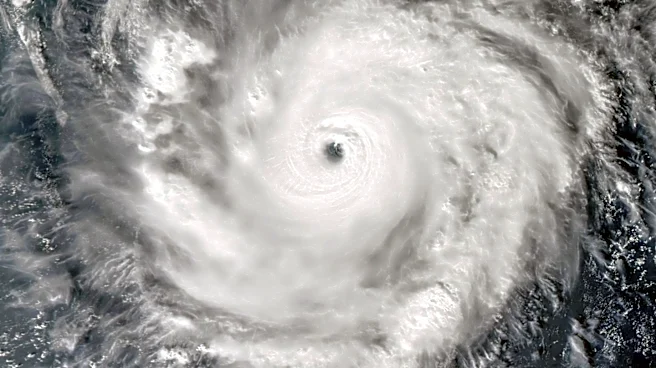
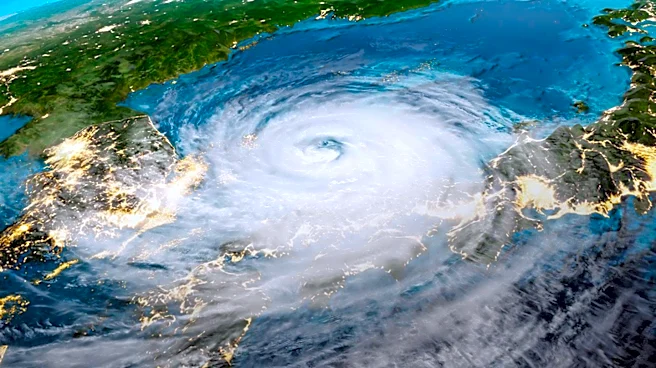
Typhoon Bavi, the most powerful storm to hit mainland China this year, has caused significant disruption across eastern China. The storm brought heavy rain and strong winds, particularly affecting densely populated areas. As of Sunday, the typhoon had
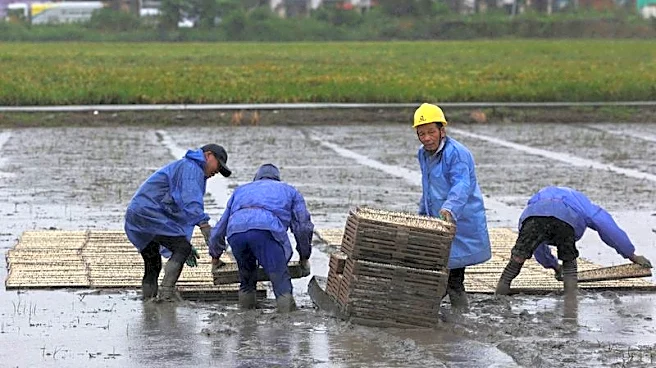
weakened to a tropical storm but continued to pose a threat with prolonged rainfall expected in the coming days. Over 2.8 million people have been evacuated, with the majority from Zhejiang province, a key economic region. The storm made landfall in Yuhuan and Yueqing, causing extensive damage, including uprooted trees and flooded streets. Emergency crews are actively working to clear debris and manage the aftermath.
Why It's Important?
The impact of Typhoon Bavi highlights the challenges faced by China in managing extreme weather events, which are becoming more frequent and severe. The evacuation of millions underscores the potential human and economic toll of such natural disasters. Zhejiang province, being an economic hub, could face significant disruptions in its industrial and technological sectors, affecting both local and global supply chains. The storm's impact on infrastructure and transportation, with numerous flights and train services canceled, further illustrates the broader economic implications. This event also raises concerns about the resilience of urban areas to withstand future climate-related challenges.
What's Next?
In the coming days, authorities will focus on recovery efforts, including restoring transportation services and assessing the full extent of the damage. The response to Typhoon Bavi may prompt a reevaluation of disaster preparedness and infrastructure resilience in affected regions. Additionally, there may be increased scrutiny on how urban planning and development can better accommodate extreme weather events. The situation could also influence future policy decisions regarding climate change adaptation and mitigation strategies.
Beyond the Headlines
The occurrence of Typhoon Bavi may lead to a broader discussion on climate change and its role in intensifying natural disasters. As China continues to urbanize rapidly, the need for sustainable development practices that consider environmental impacts becomes more pressing. This event could serve as a catalyst for international cooperation on climate resilience, as countries share experiences and strategies to combat similar challenges. Furthermore, the storm's impact on local communities highlights the importance of social support systems in disaster recovery.