





What's Happening?
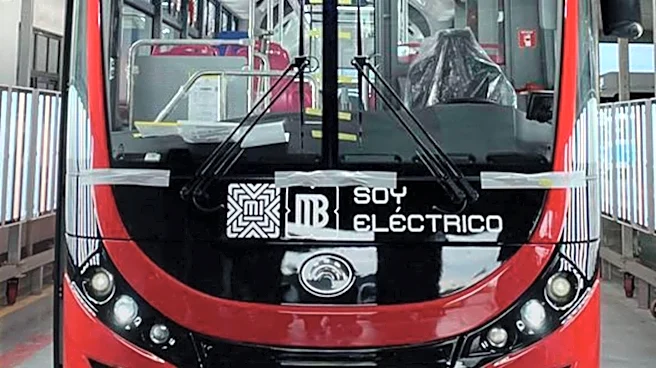
The Brihanmumbai Electric Supply and Transport (BEST) undertaking has announced a significant investment plan to acquire 5,000 self-owned electric buses. This initiative is part of a broader strategy to operate a fleet of 10,000 buses in Mumbai over the
next two to three years. The move represents a shift from the current wet-lease model, which has been predominant in recent years. According to General Manager Sonia Sethi, the undertaking currently relies more on wet-lease buses than on those owned by the transport utility. The transition will require an estimated investment of Rs 6,500 crore, with financing options including government assistance and internal resource mobilization. This plan follows directives from Deputy Chief Minister Eknath Shinde and aims to restore the operating model where BEST owned, maintained, and operated its buses with a permanent workforce.
Why It's Important?
This development is crucial as it marks a strategic shift in BEST's operational model, potentially reducing long-term costs and increasing operational control. By owning its fleet, BEST can ensure better maintenance and service quality, which could lead to improved public transportation in Mumbai. The investment also aligns with broader environmental goals by increasing the number of electric buses, thus reducing carbon emissions. This move could set a precedent for other public transport systems in India, encouraging a shift towards sustainable and self-reliant operations. The decision to recruit its own drivers further emphasizes a commitment to creating stable employment opportunities, which could have positive socio-economic impacts.
What's Next?
BEST is expected to finalize its financing strategy soon, determining whether the expansion will be supported by government funds, internal resources, or a combination of both. The undertaking plans to recruit new drivers, which will require dedicated funding. As the transition progresses, stakeholders, including government bodies and the public, will likely monitor the impact on service quality and environmental benefits. The success of this initiative could influence future public transport policies and investments in India, particularly in the context of sustainable urban mobility.