








What's Happening?
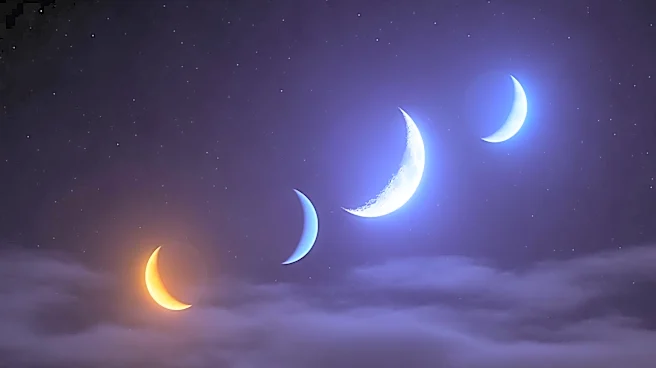
In June, skywatchers are in for a treat with several notable astronomical events. Among these is a rare lunar occultation where the Moon will pass in front of Venus, making the planet temporarily disappear from view for some observers. This event will be
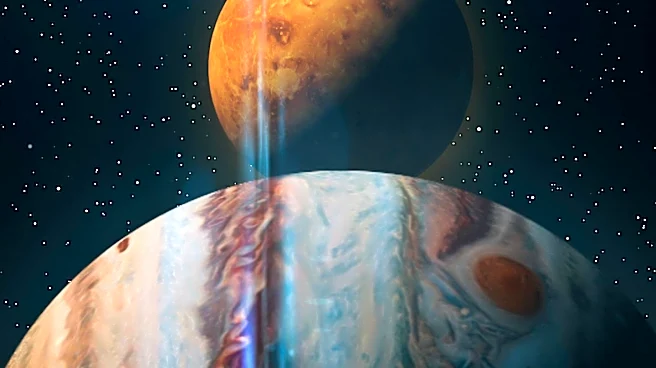
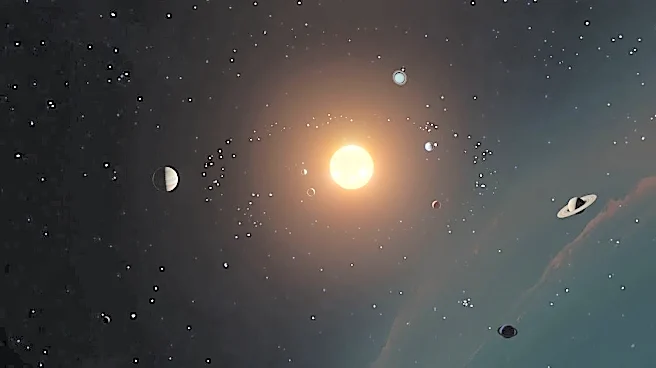
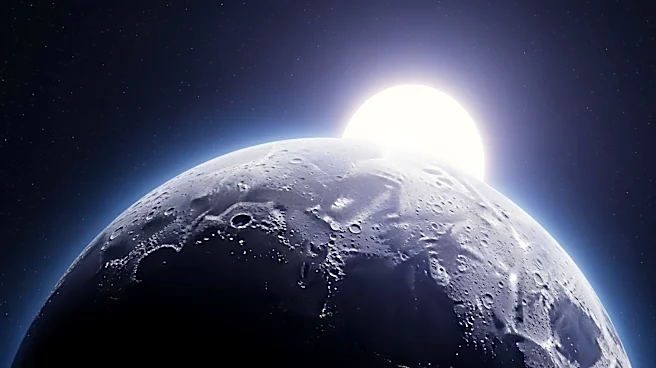
visible from parts of the United States, Canada, Brazil, and Venezuela. Additionally, June will feature a planetary conjunction with Venus and Jupiter appearing close together in the sky, and Mercury joining them later in the month. The June solstice will also mark the beginning of astronomical summer, bringing longer days and shorter nights to the Northern Hemisphere.
Why It's Important?
These celestial events offer a unique opportunity for both amateur and professional astronomers to observe and study planetary alignments and interactions. The lunar occultation of Venus is particularly significant as it provides a chance to observe the dynamics of planetary motion and the Moon's orbit. Such events can enhance public interest in astronomy and encourage educational activities related to space science. The occurrence of these events during the summer solstice also highlights the changing seasons and the Earth's axial tilt, which are fundamental concepts in understanding Earth's climate and environment.
What's Next?
Skywatchers are advised to prepare for these events by ensuring they have the necessary equipment and safety measures in place, especially for viewing the occultation during daylight hours. Observatories and astronomy clubs may organize viewing events to engage the public and provide educational insights. The continued observation of these events can contribute to ongoing research in planetary science and help refine models of celestial mechanics.