





What's Happening?
The Virginia Department of Forestry (DOF) is actively seeking a Deputy Regional Forester (DRF) to lead field operations and implement agency programs within its Eastern Region. This region encompasses 36 counties and several cities, including Richmond,
Portsmouth, Suffolk, Virginia Beach, Chesapeake, and Williamsburg. The selected DRF will report to the Eastern Region Forester and will be responsible for managing and overseeing the region's participation in various DOF programs. These programs include forest protection, fire prevention, forest management, cost-share initiatives, urban and community forestry, watershed and riparian forest management, and state lands management. The role also involves evaluating program effectiveness, supervising a team of program specialists and District Foresters, setting performance measures, and reviewing forest management plans. Additionally, the DRF will lead the regional safety program and manage wildfire response preparedness, including directing dispatch, developing training, and coordinating credentialing. The position requires a baccalaureate or higher degree from a Society of American Foresters accredited program to use the title of "deputy regional forester"; otherwise, the title will be "deputy regional manager."
Why It's Important?
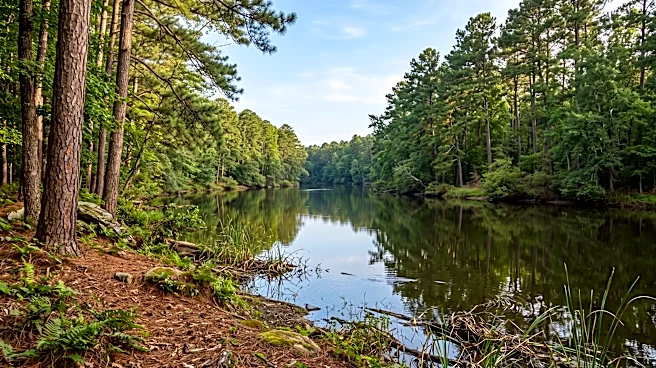
This recruitment is crucial for maintaining and enhancing forest health, conservation efforts, and public safety across a significant portion of Eastern Virginia. The Deputy Regional Forester's role directly impacts the effectiveness of wildfire suppression and prevention, which is vital for protecting both natural resources and human communities in a state prone to seasonal fires. The management of forest resources, including urban and community forestry, contributes to environmental sustainability, biodiversity, and the quality of life for residents. The position's involvement in cost-share programs and watershed management also plays a key role in supporting landowners and ensuring water quality, which has broader ecological and economic implications. By overseeing these diverse programs, the DRF helps to ensure that Virginia's forests are managed sustainably, providing long-term benefits for the environment and the state's economy, particularly in sectors related to timber, recreation, and ecological services. The emphasis on evaluating program effectiveness and building partnerships underscores a commitment to continuous improvement and collaborative conservation.
What's Next?
The Virginia Department of Forestry will proceed with the hiring process to fill the Deputy Regional Forester position. The successful candidate will be expected to reside within 70 miles of the DOF's Eastern Region Office in Providence Forge within six months of hire. They will also need to obtain a Virginia Pesticide Applicators License within 12 months of employment. Once appointed, the DRF will immediately begin directing field operations and implementing the agency's programs across the Eastern Region. This will involve supervising staff, reviewing forest management plans, and actively participating in wildfire response during spring and fall fire seasons. The new DRF will also be tasked with developing partnerships with state agencies, localities, and non-governmental organizations to further the DOF's mission. The ongoing evaluation of program effectiveness will likely lead to adjustments and improvements in forestry practices and community engagement initiatives in the region.
Beyond the Headlines
The appointment of a Deputy Regional Forester in Virginia highlights the increasing recognition of the complex and multifaceted challenges in modern forest management. Beyond traditional timber production, the role emphasizes ecological sustainability, community engagement, and climate resilience. The requirement for a Society of American Foresters accredited degree underscores the professionalization of forestry and the need for scientifically informed practices. The focus on urban and community forestry reflects a growing understanding of the importance of green infrastructure in mitigating climate change impacts, improving air quality, and enhancing urban biodiversity. Furthermore, the DRF's involvement in wildfire preparedness and response points to the escalating threat of wildfires, driven by climate change and land-use patterns, and the critical need for proactive management strategies. This position is not just about managing trees; it's about managing ecosystems, protecting communities, and adapting to a changing environment, reflecting a broader shift in how natural resources are valued and governed.