







What's Happening?
Biophilic design is an architectural approach that incorporates natural elements into built environments to improve human well-being and connection to nature. This design philosophy, rooted in entomologist E.O. Wilson's 1984 'Biophilia' hypothesis, suggests
an innate human love for life and living things. While recent studies indicate that connectedness to nature can be influenced by external factors rather than being a universal instinct, research consistently shows positive physiological and psychological responses to natural environments. For instance, a study published in 'Scientific Reports' demonstrated that individuals in plant-filled settings experienced lower heart rate variability and higher psychological relaxation. Architects and designers are increasingly adopting biophilic principles, using natural materials, light, and greenery to create spaces that support attention, emotional regulation, and cognitive function. This approach is being applied across various scales, from individual buildings to broader urban planning, aiming to foster healthier and more resilient environments.
Why It's Important?
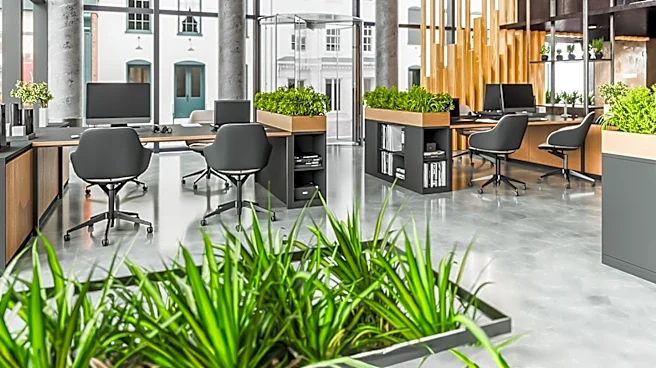
The integration of biophilic design into architecture holds significant importance for public health, urban development, and sustainability. By creating environments that mimic natural settings, this design approach can lead to improved mental health and overall well-being for occupants. This is particularly crucial in urban areas where access to green spaces may be limited. For industries, the adoption of biophilic design can enhance productivity and reduce stress in workplaces, potentially leading to economic benefits through improved employee performance and reduced healthcare costs. In public policy, promoting biophilic design can contribute to the creation of healthier cities, aligning with broader sustainability goals and efforts to combat climate change. The emphasis on natural elements and ecological balance also supports the development of more resilient urban environments, capable of adapting to environmental challenges. This shift signifies a move beyond merely mitigating environmental damage to actively restoring environmental health within urban fabrics.
What's Next?
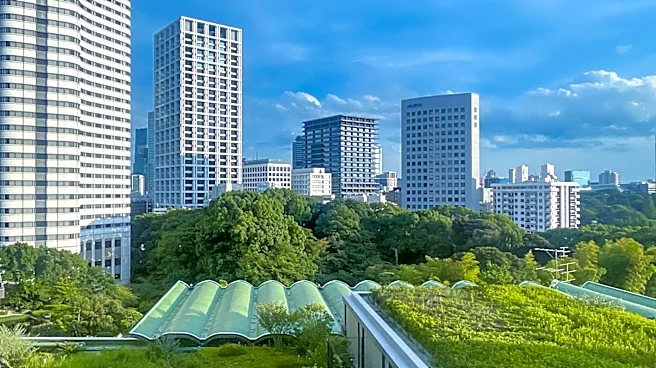
The trend of integrating biophilic design is expected to continue expanding, with a focus on creating healthier and greener urban environments. Architects and urban planners will likely further explore innovative ways to incorporate natural elements, such as native ecosystems and natural water cycles, into urban infrastructure. This includes moving beyond traditional green roofs to more comprehensive regenerative design strategies. The application of biophilic principles is anticipated to influence a wider range of projects, from residential and commercial buildings to mixed-use developments. There will likely be increased research into the long-term impacts of biophilic design on human health and productivity, further solidifying its importance in architectural and urban planning standards. Additionally, the concept may become more intertwined with smart-city initiatives, utilizing technology to optimize the integration and benefits of natural elements within urban settings.
Beyond the Headlines
Beyond the immediate benefits of improved well-being, biophilic design touches upon deeper ethical and cultural dimensions. It challenges the traditional separation between human-made structures and the natural world, advocating for a more symbiotic relationship. This approach encourages a re-evaluation of how we perceive and interact with our surroundings, fostering a greater appreciation for ecological balance and biodiversity within urban contexts. Culturally, it can lead to a renewed emphasis on local ecosystems and indigenous plant life, promoting a sense of place and connection to regional natural heritage. Ethically, biophilic design underscores the responsibility of designers and developers to create environments that not only serve human needs but also contribute positively to the health of the planet. This long-term shift could lead to a fundamental change in urban aesthetics and planning, prioritizing ecological integration as a core value.