






What's Happening?
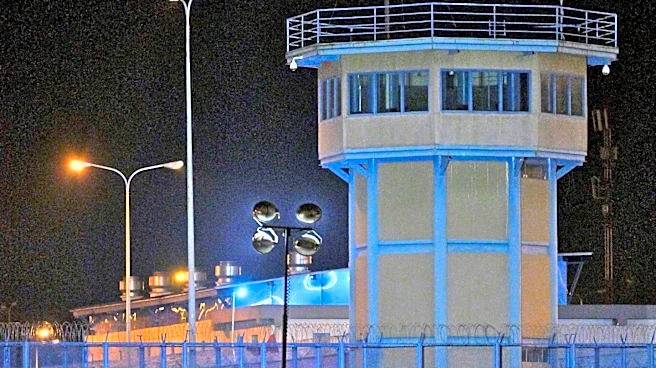
The Missoula County Detention Facility, operated by the Missoula County Sheriff's Office, serves as the primary short-term holding center in western Montana. It houses individuals awaiting trial, serving short misdemeanor sentences, or awaiting transfer
to federal or state prisons. The facility's operational structure includes different housing zones based on offense severity, risk level, and gender, with a structured daily schedule for inmates. The inmate population is transient and diverse, with an average stay of days or weeks. Key challenges for correctional staff include managing mental health issues, as a disproportionate number of inmates suffer from untreated mental illnesses, and addressing substance abuse, particularly the impact of the opioid crisis. The jail has implemented a diversion program to connect eligible inmates with substance abuse counseling and medication-assisted treatment.
Why It's Important?
The Missoula County Detention Facility plays a vital role in the county's justice system, ensuring efficient court processes and community safety. However, its function extends beyond mere incarceration, acting as a de facto crisis intervention center for individuals with mental health and substance abuse issues. The high prevalence of untreated mental illness among inmates highlights a significant gap in the broader healthcare system, placing a heavy burden on correctional facilities not designed for long-term psychiatric care. The opioid crisis's impact on the inmate population underscores a public health emergency that intertwines with the justice system. The jail's diversion program for substance abuse is a critical step towards addressing recidivism and promoting rehabilitation, reflecting a shift from simple punishment to a more holistic approach to justice and public health.
What's Next?
The Missoula County Detention Facility will continue to face the ongoing challenges of managing a diverse inmate population with complex needs, particularly concerning mental health and substance abuse. The diversion program for substance abuse is expected to continue, aiming to reduce re-arrest rates by providing treatment and support during and after incarceration. The facility will remain under scrutiny from internal affairs and external entities like the ACLU and the Montana Department of Justice to ensure constitutional guidelines regarding inmate treatment are upheld. Public interest in the jail, often sparked by high-profile incidents, will likely persist, necessitating ongoing transparency from the Sheriff's Office. The facility's role in the community will continue to evolve as it adapts to the complexities of modern corrections in a rural mountain state.
Beyond the Headlines
The Missoula County Detention Facility's struggle with mental health and substance abuse among its inmates reveals a broader societal issue: the criminalization of public health crises. Jails are increasingly becoming the primary institutions for individuals experiencing mental health crises or severe addiction, rather than specialized healthcare facilities. This situation raises ethical questions about the appropriateness of incarceration for individuals whose primary needs are medical or psychological. The facility's efforts to implement diversion programs, while commendable, highlight the systemic pressures on the justice system to address issues that originate outside its traditional scope. This trend suggests a need for greater investment in community-based mental health and addiction services to prevent individuals from entering the correctional system in the first place, fostering a more humane and effective approach to public safety and well-being.