








What's Happening?
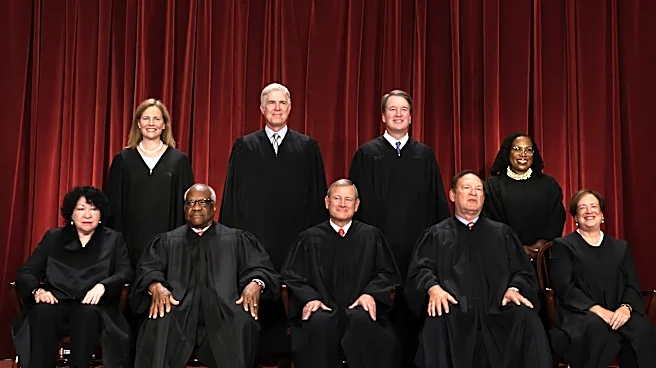
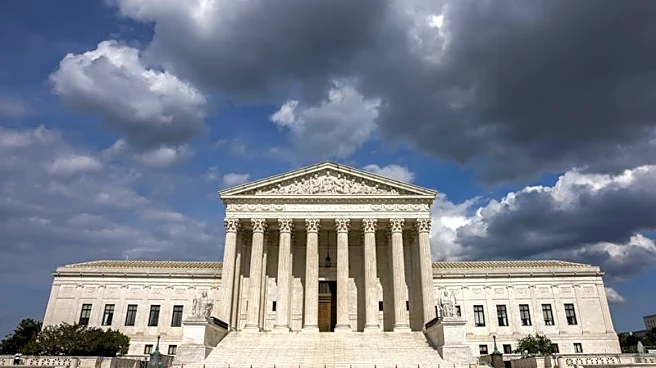
The U.S. Supreme Court has ruled that the police's use of smartphone data to locate suspects constitutes a 'search' under the Fourth Amendment. This decision stems from the case of Okello Chatrie, who was convicted of a 2019 bank robbery in Virginia.
Police used a 'geofence' warrant to access Google’s location data, identifying Chatrie among others near the crime scene. The Court, led by Justice Elena Kagan, acknowledged that accessing location history data intrudes on an individual's reasonable expectation of privacy. However, the case has been remanded to lower courts to determine if the search was reasonable, meaning it must be supported by probable cause and described with particularity. The decision reflects a divided opinion among the justices, with some expressing concerns about privacy and the lack of magisterial oversight in such searches.
Why It's Important?
This ruling is significant as it addresses the balance between privacy rights and law enforcement's use of technology in criminal investigations. The decision could impact how police use digital data to solve crimes, potentially setting a precedent for future cases involving digital privacy. The case highlights the tension between technological advancements and constitutional protections, particularly the Fourth Amendment's safeguard against unreasonable searches. The outcome could influence law enforcement practices and the tech industry's handling of user data, affecting millions of Americans' privacy rights. The decision also underscores the need for clear legal frameworks governing digital data use in criminal investigations.
What's Next?
The case will return to lower courts to assess the reasonableness of the search, which could lead to further legal scrutiny and potential changes in how geofence warrants are issued and executed. The decision may prompt legislative action to clarify the legal standards for digital searches. Stakeholders, including privacy advocates, law enforcement agencies, and tech companies, are likely to engage in discussions about the implications of this ruling. The outcome could influence future court cases and legislative measures aimed at balancing privacy rights with law enforcement needs.