
What's Happening?
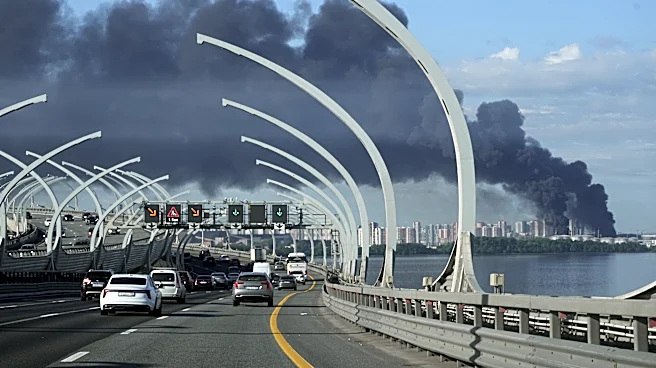
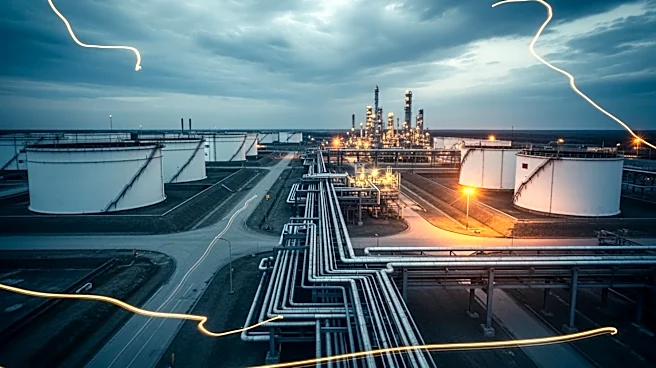
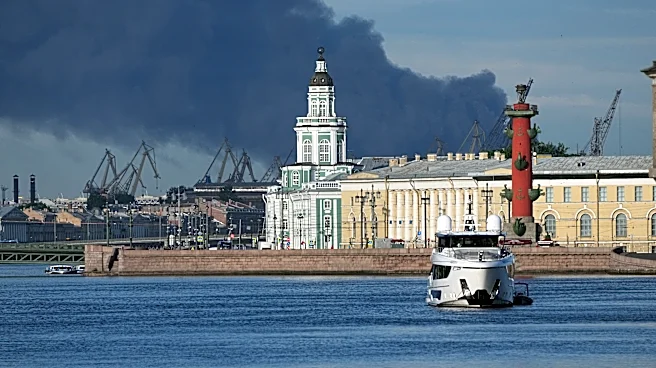
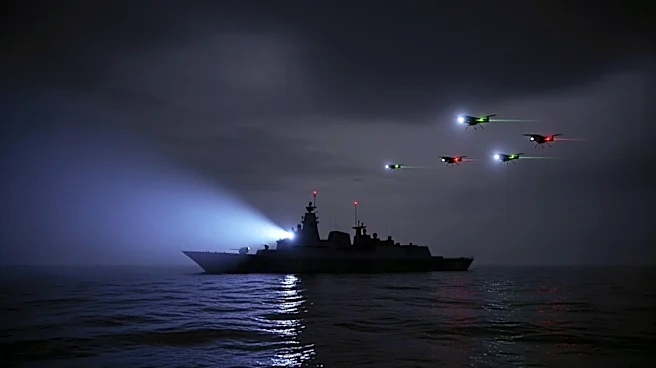
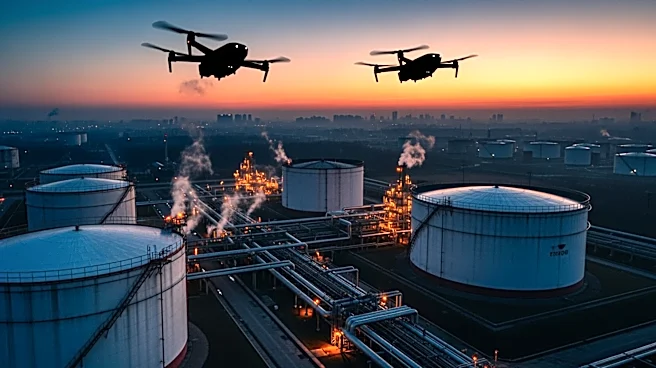
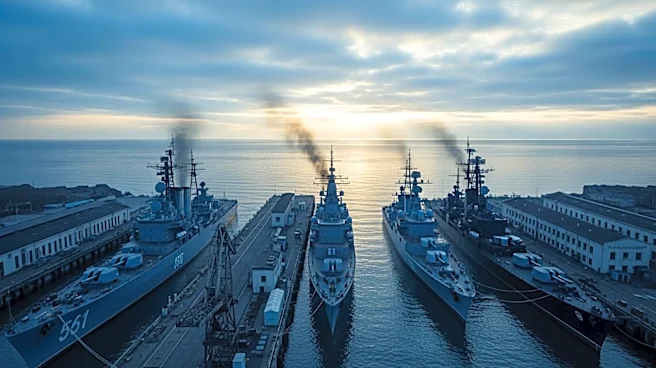
Ukrainian forces have escalated their long-range strike campaign against Russian military assets and oil infrastructure, particularly targeting areas in St. Petersburg. This development coincides with
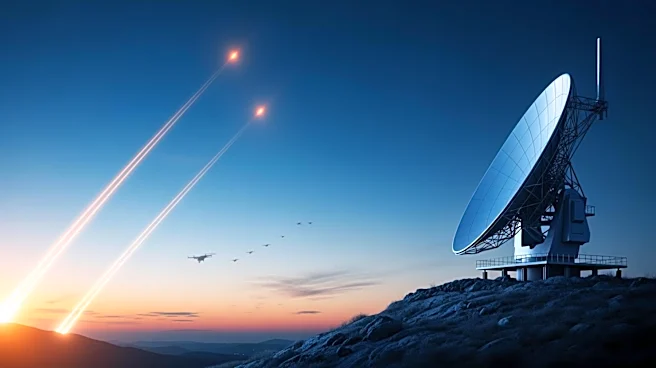
the St. Petersburg International Economic Forum (SPIEF), where Russian ultranationalists presented extreme scenarios for Russia's future. Meanwhile, Russian forces have launched a significant number of drone attacks on Ukraine, with 198 drones deployed overnight from various locations, including Bryansk, Kursk, and Crimea. Ukrainian air defenses successfully downed 189 of these drones, but some managed to strike multiple locations, causing civilian casualties. The ongoing conflict has seen both sides engaging in retaliatory strikes, with Russia intensifying its air raids in response to battlefield challenges.
Why It's Important?
The intensification of Ukrainian strikes on Russian infrastructure, particularly during SPIEF, undermines Russia's efforts to project economic strength. These strikes highlight Ukraine's capability to target deep within Russian territory, potentially disrupting Russian oil exports and refining capacity. The conflict's escalation poses significant risks to regional stability and could impact global energy markets. Russia's retaliatory strikes, justified by alleged Ukrainian attacks on civilians, aim to pressure Ukraine into negotiations. However, these actions also reflect Russia's struggles on the battlefield, as it seeks to maintain domestic support amid military setbacks.
What's Next?
The conflict is likely to continue with both sides engaging in further military actions. Ukraine may persist with its strategy of targeting Russian infrastructure to weaken its adversary's economic and military capabilities. Russia, on the other hand, might escalate its air raids to force Ukraine into a diplomatic resolution. The international community will closely monitor these developments, as prolonged hostilities could lead to broader geopolitical tensions and impact global energy supplies. The Kremlin will need to balance ultranationalist demands with practical military strategies to avoid further domestic and international repercussions.
Beyond the Headlines
The presentation of extreme scenarios by Russian ultranationalists at SPIEF suggests internal divisions within Russia regarding the future of the conflict. These scenarios, which include the occupation of Ukrainian cities and the collapse of the EU, contrast with the Kremlin's more moderate public stance. This divergence highlights the challenges President Putin faces in managing hardline factions while addressing the realities of the battlefield. The ongoing conflict also raises ethical concerns about the use of civilian casualties as a pretext for military actions, potentially violating international humanitarian laws.