









What's Happening?
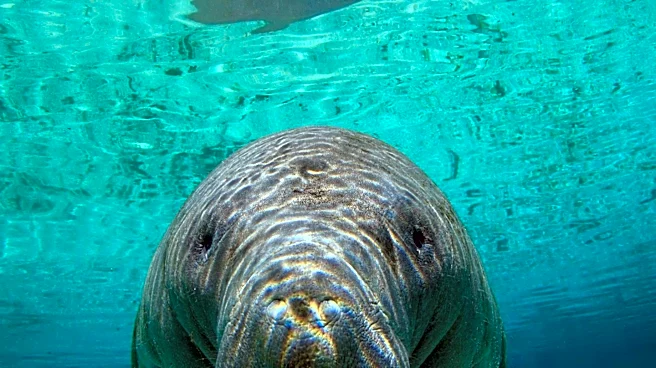
Florida's manatees are currently undertaking their annual migration to warmer waters as temperatures drop, a critical behavior for their survival. These marine mammals possess a low metabolism and poor insulation, making them highly vulnerable to cold
water temperatures below 68 degrees Fahrenheit. Prolonged exposure to cold can lead to 'cold stress syndrome,' similar to hypothermia in humans, which can be fatal. Manatees seek refuge in natural springs, power plant discharge areas, and other warm water basins, often returning to the same sites annually. This seasonal movement increases the likelihood of encounters with boaters and other watercraft users, prompting calls for increased caution.
Why It's Important?
The annual migration of Florida manatees is crucial for their survival, highlighting the delicate balance between wildlife and human activity in shared waterways. Their vulnerability to cold stress underscores the importance of preserving and protecting warm water refuges. The increased interaction with watercraft during migration periods poses a significant threat, as boat collisions are a leading cause of manatee injuries and fatalities. Public awareness and adherence to safety guidelines, such as reduced speeds in designated zones and maintaining a lookout, are essential to minimize these risks. The conservation of manatees is vital for maintaining biodiversity and the ecological health of Florida's aquatic environments.
What's Next?
The Florida Fish and Wildlife Conservation Commission (FWC) and other environmental organizations will continue to emphasize boater safety and manatee protection measures throughout the winter months. Recommendations include designating a lookout on boats, searching for manatee signs like snouts or 'footprints' (circular ripple patterns), using polarized sunglasses to spot them, and strictly adhering to manatee protection zones. The FWC also urges the public to report any injured, distressed, sick, or dead manatees to their Wildlife Alert Hotline. These efforts aim to ensure the safe passage and wintering of manatees, minimizing human-induced threats during this critical period.
Beyond the Headlines
The plight of Florida's manatees during their winter migration reflects broader challenges in wildlife conservation, particularly in rapidly developing coastal regions. The reliance of manatees on specific warm water sites, some of which are man-made (like power plant discharges), raises questions about long-term conservation strategies as energy infrastructure evolves. This situation also highlights the impact of human population growth and recreational activities on sensitive ecosystems. The ongoing efforts to protect manatees underscore the need for integrated conservation approaches that balance human needs with the imperative to safeguard vulnerable species and their habitats, prompting discussions on sustainable tourism and responsible waterway usage.