






What's Happening?
St. Thomas and St. John in the U.S. Virgin Islands experienced a total blackout twice over the weekend, highlighting ongoing issues with the territory's power infrastructure. The Virgin Islands Water and Power Authority attributed the outages to a loss
of generation at a power plant. Despite efforts to restore power after the first blackout on Saturday, a second outage occurred on Sunday. The islands, home to over 46,000 residents, have been facing frequent power outages due to aging infrastructure, equipment shortages, and deferred maintenance. Governor Albert Bryan Jr. has invested $100 million in federal funding to address these issues, but challenges persist. The U.S. Energy Information Administration reports that more than half of the territory's petroleum-fueled generating units are over 25 years old, and past hurricanes have severely damaged the power distribution systems.
Why It's Important?
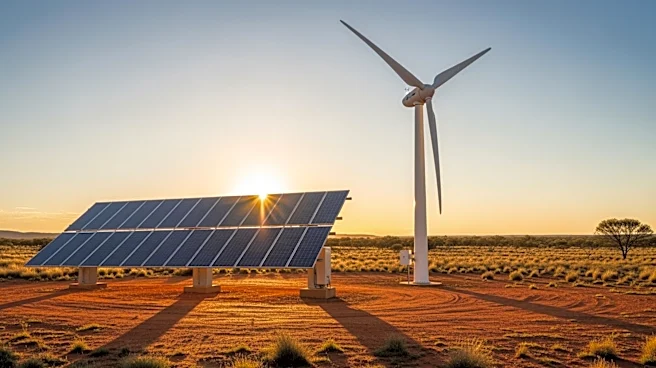
The repeated blackouts in the U.S. Virgin Islands underscore the critical need for infrastructure upgrades in the territory. The frequent power outages not only disrupt daily life for residents but also pose significant challenges for businesses and the local economy. The high cost of electricity, nearly double the U.S. average, further exacerbates the situation, making it difficult for residents and businesses to manage expenses. The reliance on outdated petroleum-fueled generators highlights the urgent need for investment in renewable energy sources, which currently account for only a small fraction of the territory's power capacity. Addressing these infrastructure issues is crucial for improving the quality of life and economic stability in the U.S. Virgin Islands.
What's Next?
The Virgin Islands Water and Power Authority plans to install temporary generation and additional battery energy storage at a main power plant in the coming months. These measures aim to reduce the frequency of outages and improve the reliability of the power supply. However, long-term solutions will require significant investment in modernizing the power infrastructure and increasing the share of renewable energy sources. The government and utility authorities will need to collaborate on strategic planning and secure funding to implement these changes effectively. Stakeholders, including residents and businesses, are likely to continue advocating for more immediate and sustainable solutions to the power crisis.