


What's Happening?
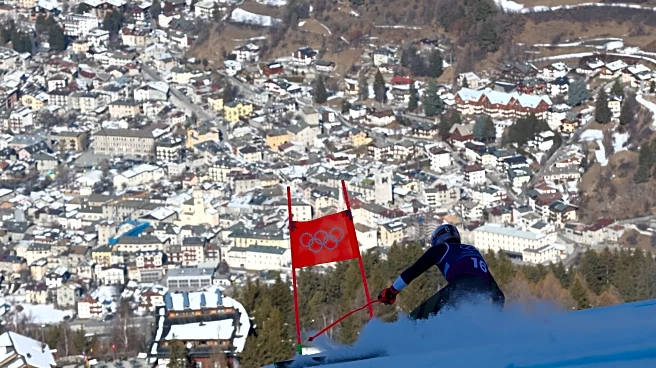
Thirteen individuals, including skiers, climbers, and hikers, have died in the Italian mountains over the past week, with 10 deaths resulting from avalanches. These incidents coincide with the start of the Winter Olympics. The avalanches were caused by
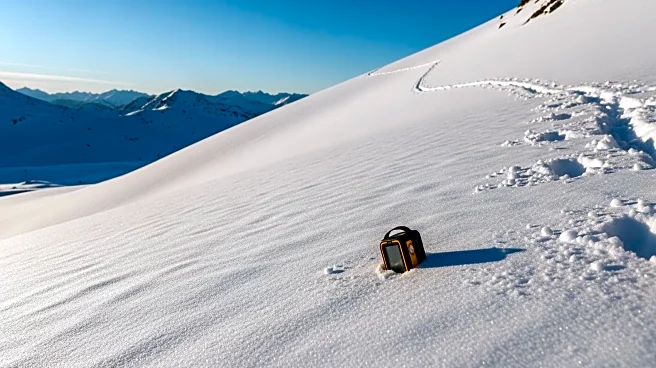
an unstable snowpack, worsened by recent snowstorms and wind conditions. The fatalities occurred on ungroomed slopes, away from the Olympic sites, which are reported to be safe and well-monitored.
Why It's Important?
The deaths highlight the inherent risks of backcountry skiing and the importance of safety measures in winter sports. The timing with the Winter Olympics draws international attention to the safety of athletes and visitors. The situation underscores the need for effective communication of safety advisories and the potential impact of climate conditions on outdoor sports. It also raises questions about the preparedness and response capabilities of rescue services in such scenarios.
What's Next?
Authorities are likely to enhance safety measures and monitoring at Olympic venues to ensure the safety of participants and spectators. There may be increased efforts to educate the public on the risks of backcountry skiing and the importance of following safety advisories. The incidents could lead to discussions on improving emergency response strategies and infrastructure in mountainous regions.
Beyond the Headlines
The tragedies may prompt a broader discussion on the effects of climate change on snow stability and winter sports safety. The events could influence future policies and regulations regarding outdoor sports and tourism in mountainous areas. Additionally, the incidents may impact public perception and participation in winter sports, particularly in unmanaged areas.