






What's Happening?
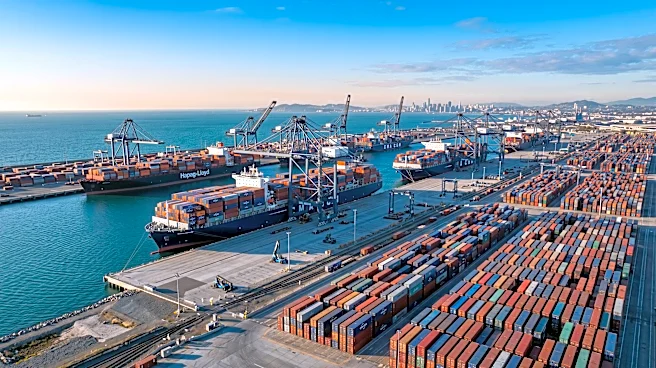
Africa is experiencing severe impacts from global supply chain challenges, exacerbated by a confluence of geopolitical uncertainty, evolving trade policies, disruptions across major shipping routes, climate-related events, and persistent infrastructure
issues. These challenges are not isolated incidents but rather a compounding effect of multiple disruptions occurring simultaneously. Many existing supply chains were designed for a more predictable global environment, optimized primarily for cost and efficiency. However, the current landscape demands greater visibility, flexibility, and resilience. The technology sector, in particular, is hard hit due to the concentration of semiconductor and component manufacturing in a few locations, making it highly susceptible to disruptions. For African markets, which heavily rely on imported technology, machinery, and specialist components, these global issues translate directly into higher prices, reduced availability, and extended delivery times. Currency volatility further complicates matters, as products purchased in hard currencies are sold locally, often weeks or months later, eroding margins or forcing price increases.
Why It's Important?
The intensified global supply chain challenges have profound implications for Africa's economic development and stability. The continent's heavy reliance on imports means that disruptions directly affect the cost of living, business operations, and access to essential goods and technology. This situation can hinder economic growth, deter foreign investment, and exacerbate existing inequalities. When global supply is limited, African markets often find themselves at the end of the queue due to factors like fragmented demand, currency volatility, and longer lead times, making other regions appear less risky to global manufacturers. This creates a cycle where lower sales in Africa are used to justify allocating even less stock in the future. For U.S. businesses operating in or trading with Africa, these challenges translate into increased operational risks, higher costs, and potential market access difficulties. The instability in African supply chains can also affect global commodity markets and broader international trade relationships, impacting U.S. foreign policy and economic interests in the region.
What's Next?
To mitigate the impact of these challenges, supply chain providers and businesses in Africa are focusing on strategies to enhance resilience. This includes diversifying suppliers, developing alternative transport routes, and strategically positioning inventory closer to demand, often through regional hubs. Technology, particularly data analytics and AI, is being leveraged to improve demand planning, inventory optimization, and risk monitoring, enabling earlier detection of potential disruptions. For IT distributors in Africa, advice includes earlier and more honest forecasting, protecting landed margins against currency fluctuations, and building strong relationships with suppliers to secure allocations. The long-term opportunity lies in building supply chains that make Africa easier to trade with and across, requiring significant investment in infrastructure, simpler border processes, and integrated logistics networks. The goal is to shift from merely reacting to disruptions to proactively building adaptive and responsive supply chains that can protect customer promises and foster sustainable growth.
Beyond the Headlines
The ongoing supply chain crisis in Africa highlights deeper issues of global equity and the vulnerability of developing economies within an interconnected world. The tendency for scarce resources to flow towards more 'certain' markets during times of disruption underscores a systemic disadvantage for regions like Africa. This situation raises ethical questions about global resource allocation and the need for international cooperation to build more equitable and resilient trade systems. Furthermore, the emphasis on infrastructure development and streamlined border processes points to the critical role of governance and regional integration in strengthening supply chains. The crisis also serves as a catalyst for innovation, pushing African businesses to explore localized production, regional trade agreements, and digital solutions to reduce external dependencies. Ultimately, the challenges in Africa's supply chains are a microcosm of broader global vulnerabilities, urging a re-evaluation of how international trade can be structured to be more inclusive and resilient against future shocks.