




What's Happening?
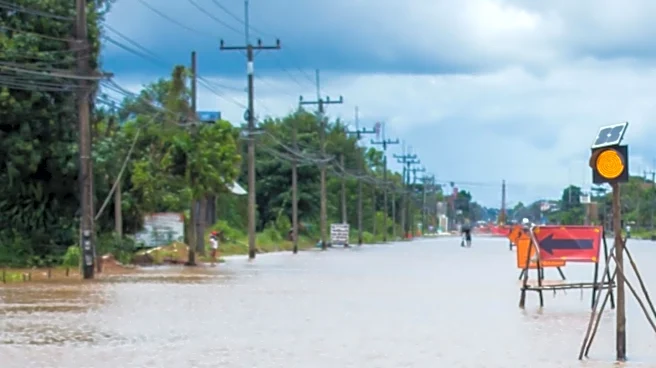
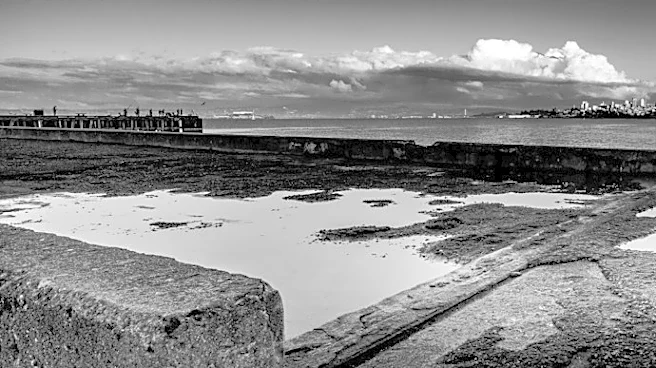
The San Francisco Municipal Transportation Agency (SFMTA) is implementing preventative measures in anticipation of coastal flooding caused by unusually high tides. Coastal flood advisories have been extended across the Bay Area, with meteorologists warning
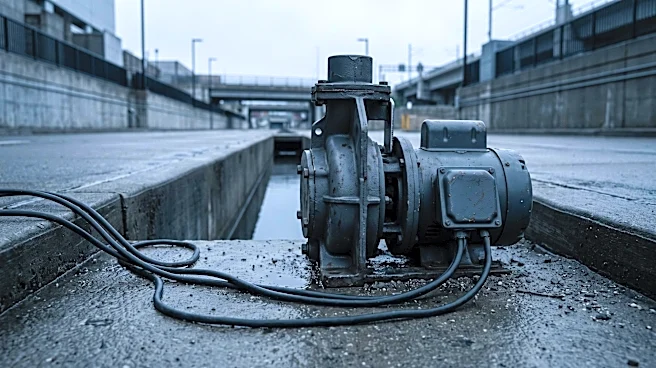
that tides could surge nearly two feet above normal levels. This situation poses potential disruptions to public transit, particularly Muni trains. In response, SFMTA crews are deploying equipment such as sandbags, large sump pumps, and generators to power these pumps. Key areas of concern for Muni include the light rail station at Cesar Chavez and Illinois streets, which is near the flood-prone Islais Creek, and the Embarcadero Street Muni tunnel, located close to an area along the Embarcadero that frequently floods during high tides. Marin County has already experienced flooding in low-lying areas near Mill Valley, and San Francisco's Embarcadero has also seen inundation this week due to these high tide conditions. Authorities in San Mateo County have also announced their flood staging plans.
Why It's Important?
The proactive measures by SFMTA are crucial for maintaining essential public transportation services and ensuring public safety in San Francisco. The potential for significant flooding directly impacts daily commutes for thousands of residents who rely on Muni trains and other public transit options. Disruptions to subway service, as highlighted by John Becker, SFMTA's acting chief infrastructure officer, could have a substantial regional impact due to Muni's shared station partnership with BART, affecting broader Bay Area connectivity. Beyond transit, coastal flooding can lead to property damage, economic losses for businesses in affected areas, and pose risks to infrastructure. The ongoing high tide conditions underscore the vulnerability of coastal cities to environmental factors and the necessity for robust urban planning and emergency preparedness to mitigate these risks. Protecting critical infrastructure like subway systems is paramount for urban resilience and economic stability.
What's Next?
Coastal flood advisories are expected to continue through the weekend, meaning SFMTA crews will remain on high alert, ready to deploy equipment as needed. The agency will likely continue to monitor tide levels and weather forecasts closely to adapt its response. Public transit users should anticipate potential service adjustments or delays, particularly in the identified flood-prone areas. Authorities will likely issue further advisories and guidance to residents, especially regarding driving through flooded streets, as it can be difficult to assess water depth and danger. In the longer term, these recurring high tide events may prompt further discussions and investments in San Francisco's coastal defense infrastructure and urban drainage systems to enhance resilience against future flooding incidents, which could become more frequent or severe due to climate change.
Beyond the Headlines
The recurring issue of coastal flooding in San Francisco, exacerbated by unusually high tides, points to broader challenges faced by coastal cities in the era of climate change. While immediate responses like sandbags and pumps are critical, the long-term implications involve significant investments in climate adaptation strategies. This includes upgrading existing infrastructure, potentially relocating critical facilities, and implementing nature-based solutions to protect shorelines. The vulnerability of public transit systems like Muni highlights the interconnectedness of urban infrastructure and the cascading effects that environmental events can have on daily life and economic activity. This situation also brings to light the ongoing debate about funding for climate resilience projects and the need for coordinated efforts between local, state, and federal agencies to address these growing environmental threats effectively and sustainably.