





What's Happening?
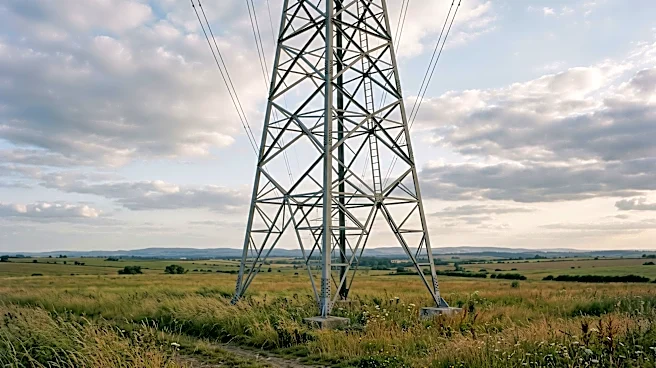
Legal arguments against the use of eminent domain are increasingly being leveraged to oppose clean energy projects, such as wind farms and transmission lines, across the United States. This trend sees environmental activists, traditionally opposed to fossil
fuel infrastructure, aligning with private property rights advocates to challenge the forced sale of land for public use. The R Street Institute highlights that this 'left-right political marriage' is creating significant hurdles for developers of renewable energy infrastructure. Projects like the Wind Catcher wind farm in Oklahoma have been canceled due due to such legal battles, and states like Iowa have banned the use of eminent domain for high-voltage transmission lines carrying wind energy. This development marks a shift where legal tactics previously used against oil and natural gas pipelines are now being applied to clean energy initiatives, slowing their deployment and increasing risks for investors.
Why It's Important?
The increasing use of eminent domain challenges against clean energy projects has significant implications for the U.S. energy landscape and its transition to renewables. This legal strategy, by slowing or halting the construction of critical infrastructure, directly impedes the expansion of clean power sources like wind and solar. For consumers, this could mean fewer choices for clean energy and potentially higher electricity costs if the development of more affordable renewable options is stifled. The alignment of anti-development activists with property rights defenders creates a formidable opposition that can delay or derail projects, impacting the nation's ability to meet clean energy goals and reduce reliance on fossil fuels. This situation also raises questions about the balance between private property rights and the broader public interest in developing sustainable energy solutions.
What's Next?
The ongoing legal battles surrounding eminent domain and clean energy projects are likely to continue, with developers facing increased scrutiny and potential delays. States and localities may see more legislative efforts to either strengthen or restrict eminent domain powers, depending on local political dynamics and public sentiment. The clean energy industry will need to adapt its strategies for project siting and community engagement to navigate these challenges more effectively. Furthermore, the debate could prompt a reevaluation of existing eminent domain laws at both state and federal levels to clarify their application to renewable energy infrastructure. The success or failure of current and future projects will largely depend on how these legal and political challenges are addressed, potentially influencing the pace of the U.S. clean energy transition.
Beyond the Headlines
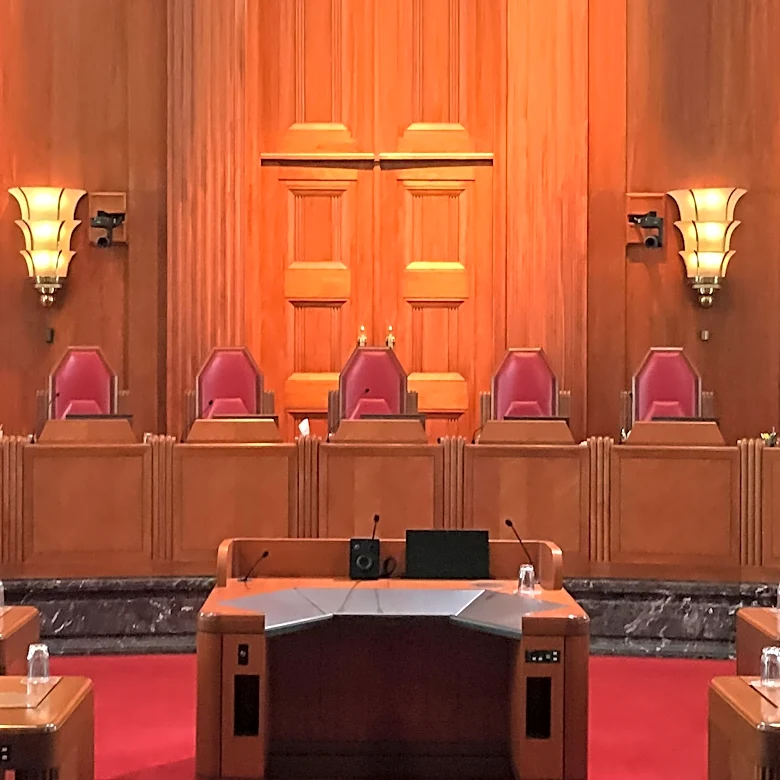
The weaponization of eminent domain arguments against clean energy infrastructure reveals a complex interplay of legal, environmental, and economic interests. While the Fifth Amendment allows for the taking of private property for 'public use' with 'just compensation,' the interpretation and application of this power are continually debated. The 2005 Supreme Court case, Kelo v. City of New London, broadened the scope of eminent domain, leading some states to enact stronger protections for private landowners. Now, these same protections are being used to oppose projects intended for public benefit, albeit by private developers. This situation highlights a deeper tension between individual property rights and collective societal goals, particularly in the context of climate change and energy independence. It also underscores the challenge of achieving consensus on infrastructure development, even when it aligns with broader environmental objectives.