




What's Happening?
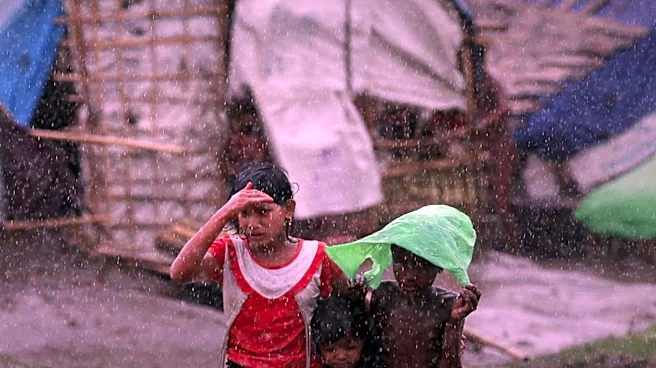
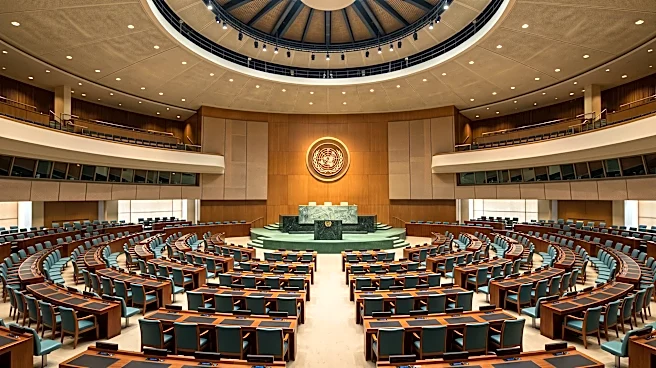
The UN refugee agency, UNHCR, has reported that nearly six million refugee children were out of school last year, representing close to half of all displaced children. The agency warns that funding cuts to UN agencies and mounting economic pressures threaten
to reverse years of progress in refugee education. UNHCR's latest annual report on education highlights that while access to primary schooling has improved, the transition to secondary education remains a critical bottleneck, with enrollment rates plummeting as children age. Factors contributing to this include language barriers, pressure to enter the workforce, and a severe shortage of qualified teachers and infrastructure in host communities. Last month, UNHCR announced a 16 percent budget cut and a reduction of 3,500 staff members. The agency oversees 35.5 million refugees and others in need of international protection, along with nine million asylum seekers and approximately 69 million internally displaced persons.
Why It's Important?
The alarming number of refugee children out of school represents a significant global human rights and development challenge. Education is crucial for the protection and future self-reliance of displaced populations, offering a pathway out of poverty and instability. The funding cuts to UNHCR and other UN agencies directly jeopardize these efforts, potentially creating a 'lost generation' of young people without the skills or opportunities to rebuild their lives. This situation has long-term implications for global stability, as lack of education can perpetuate cycles of poverty, conflict, and forced displacement. It also places an immense burden on host countries, which often struggle to integrate large numbers of refugee children into their education systems. The issue underscores the need for sustained international financial support and targeted policy measures to ensure educational access for all displaced children.
What's Next?
UNHCR and human rights organizations are calling for targeted investments, flexible learning options, and structural support from international donors to address the refugee education crisis. The focus will be on advocating for increased and sustained financial support to prevent further reversals in educational progress. Efforts will also be directed towards overcoming barriers such as language, economic pressures, and lack of infrastructure to improve access to secondary and higher education for refugee youth. In countries like Germany, where EU asylum reforms aim to speed up refugee minors' access to regular classes, there will be continued scrutiny of implementation and calls for nationwide adherence to new guidelines. The long-term goal is to ensure that education remains a priority in humanitarian responses and that displaced children are not left behind.
Beyond the Headlines
The issue of refugee education extends beyond mere access to schooling; it encompasses broader questions of integration, social cohesion, and the recognition of human dignity. When refugee children are denied education, they are not only deprived of knowledge but also of a sense of normalcy, community, and hope for the future. The challenges faced by refugee children, such as language barriers and the pressure to support their families, highlight the complex interplay of economic, social, and cultural factors in displacement. The call for a 'feminist and post-colonial approach to technological design and governance' in related contexts suggests a deeper critique of existing power structures and a demand for more inclusive and equitable solutions that center the voices of those most affected. This holistic perspective emphasizes that addressing the refugee education crisis requires systemic changes that go beyond traditional aid models.