
What's Happening?
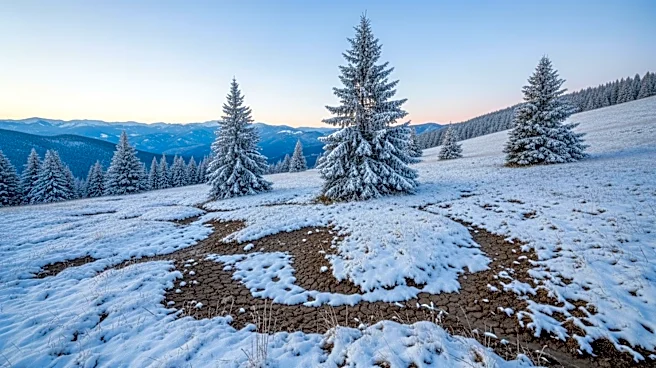
A rare May snowstorm has brought some relief to drought-stricken areas in Colorado, providing much-needed moisture to the state. Despite this, experts caution that the snowstorm was not sufficient to end
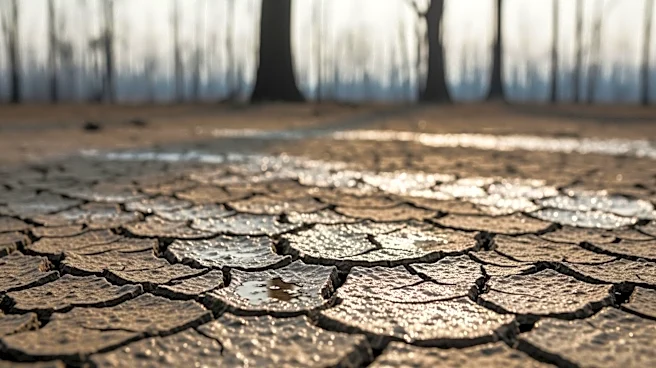
the drought conditions entirely. The storm helped to alleviate some of the extreme drought conditions, but significant portions of the state remain affected. The moisture from the snowstorm is a welcome development for Colorado, which has been grappling with persistent drought issues. However, the state continues to face challenges in managing water resources and addressing the long-term impacts of drought.
Why It's Important?
The slight improvement in drought conditions is crucial for Colorado's agriculture, water supply, and overall environmental health. Droughts can have severe economic impacts, affecting crop yields, water availability, and increasing the risk of wildfires. The recent snowstorm provides temporary relief, but it underscores the need for sustainable water management practices and long-term strategies to mitigate the effects of climate change. As droughts become more frequent and severe, states like Colorado must adapt to changing weather patterns to protect their natural resources and economic stability.
What's Next?
Colorado will need to continue monitoring its water resources and implement strategies to manage drought conditions effectively. This may include investing in water conservation technologies, improving infrastructure, and developing policies to support sustainable water use. The state may also need to collaborate with neighboring regions to address shared water challenges and explore innovative solutions to enhance climate resilience.