





What's Happening?
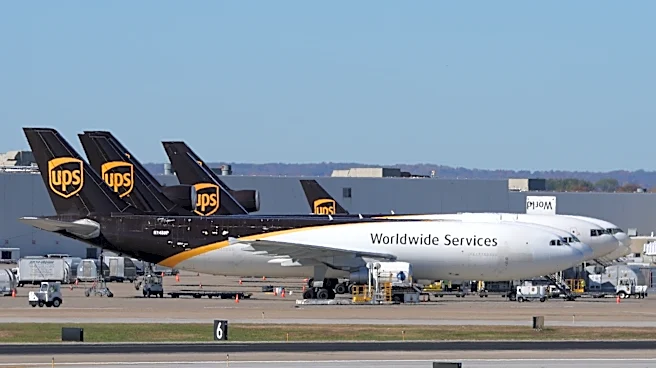
A UPS cargo plane was forced to abort its landing at Louisville International Airport in Kentucky after a Labcorp aircraft approached the runway unexpectedly. The incident occurred when the Labcorp plane, which was on the taxiway, was instructed to hold
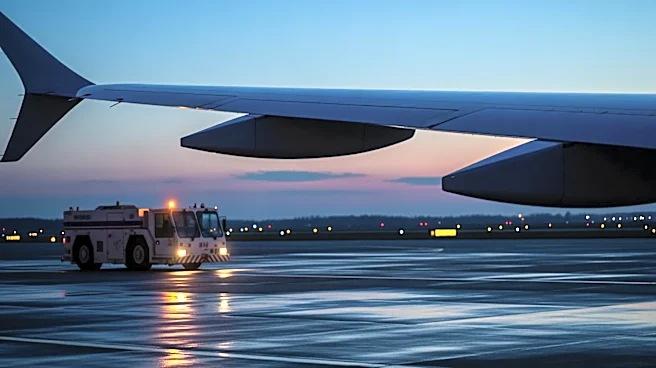
short of runway 17 to allow the UPS plane to land. However, the Labcorp aircraft moved slightly past the hold short bars, triggering alarm systems in the air traffic control tower. Consequently, the UPS plane, which was about 125 feet from the ground, was ordered to perform a go-around. Audio recordings reveal an air traffic controller questioning the Labcorp pilot's actions, to which the pilot apologized. Despite the incident, the Federal Aviation Administration (FAA) confirmed that the UPS and Labcorp planes maintained the required separation. UPS stated that its pilot acted according to standard procedures, and there was no operational impact from the event.
Why It's Important?
This incident highlights ongoing safety concerns at U.S. airports, particularly in light of recent near misses. The event underscores the critical importance of communication and adherence to air traffic control instructions to ensure safety. The FAA's confirmation that the planes maintained required separation is reassuring, yet the incident serves as a reminder of the potential risks involved in air travel. For UPS, a major logistics company, maintaining a flawless safety record is crucial for its operations and reputation. The incident also draws attention to the need for continuous improvements in air traffic management systems to prevent similar occurrences in the future.
What's Next?
The FAA will likely review the incident to determine if any procedural changes are necessary to prevent future occurrences. Both UPS and Labcorp may conduct internal reviews to assess their pilots' actions and communication protocols. The aviation industry, in general, may use this incident as a case study to enhance training and safety measures. Stakeholders, including airlines and regulatory bodies, will continue to focus on improving air traffic control systems and pilot training to ensure passenger and crew safety.