





What's Happening?
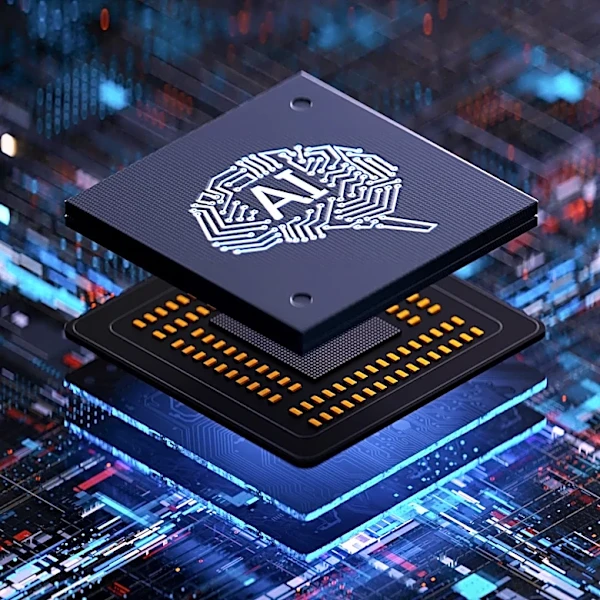
Schneider Electric has unveiled 'Home Energy Intelligence,' a new approach to home automation designed to manage energy consumption automatically and efficiently. This system moves beyond traditional predefined schedules by integrating artificial intelligence
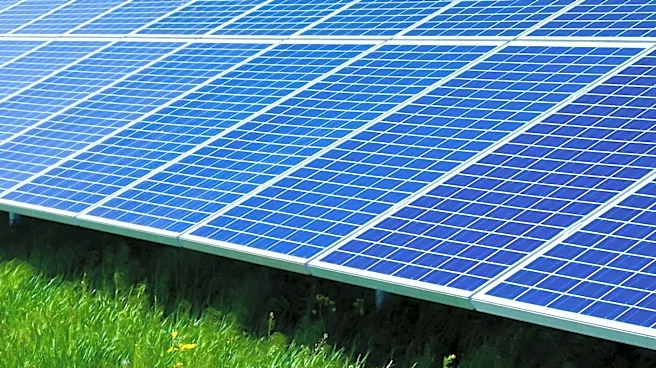
(AI) to consider various factors such as household needs, real-time energy prices, weather conditions, and expected solar generation. Unlike older smart home systems that rely on static rules, Home Energy Intelligence adapts to changing circumstances, making smarter energy decisions without constant homeowner intervention. For instance, it can adjust appliance operation or EV charging times based on fluctuating electricity prices or anticipated solar power availability. The goal is to optimize energy use and reduce costs by creating an 'energy brain' for the home that continuously weighs different variables to achieve homeowner-set priorities, such as maintaining comfort or minimizing expenses.
Why It's Important?
The introduction of Home Energy Intelligence by Schneider Electric signifies a significant shift in how U.S. households can manage their energy consumption. This advanced automation system has the potential to substantially reduce energy bills for homeowners by optimizing usage based on dynamic factors like electricity tariffs and solar output. For the energy sector, it represents a move towards more intelligent and responsive grid management, as homes become active participants in balancing energy demand and supply. Consumers stand to gain greater convenience and cost savings, while utility providers could benefit from a more stable and predictable load. This technology also supports broader environmental goals by promoting energy efficiency and better integration of renewable sources like solar power into residential energy ecosystems, contributing to a more sustainable energy future.
What's Next?
As Home Energy Intelligence systems become more prevalent, the next steps will likely involve further integration with various smart home devices and appliances, creating a more cohesive and comprehensive energy management ecosystem. There will be an increased focus on user-friendly interfaces that allow homeowners to easily set priorities and monitor their energy usage without needing to become 'energy experts.' We can also anticipate continued advancements in AI algorithms to enhance the system's predictive capabilities and adaptability to even more complex scenarios. Additionally, the expansion of such intelligent electrification systems will play a crucial role in the evolving global electrical infrastructure, optimizing home power usage, managing energy costs, and contributing to energy conservation as an integral component of the global power infrastructure.
Beyond the Headlines
The deeper implications of Home Energy Intelligence extend to the ethical and societal dimensions of automation and data privacy. As AI systems make more decisions on behalf of homeowners, questions may arise regarding the level of control users retain and the transparency of these automated processes. The collection and analysis of household energy data, while beneficial for optimization, also raise concerns about data security and how this information is used. Furthermore, the widespread adoption of such intelligent systems could lead to a cultural shift in how people perceive and interact with their homes, moving towards a more hands-off, 'set-it-and-forget-it' approach to energy management. This could also exacerbate the digital divide, as access to these advanced technologies might be limited for certain socioeconomic groups, potentially widening disparities in energy cost savings and environmental impact.