



What's Happening?
New data from the Guttmacher Institute reveals a 22% decrease in clinician-provided abortions in Iowa in 2025, following the implementation of a law banning abortions when cardiac activity is detected, typically around six weeks of pregnancy. The law,
effective since July 2024, includes exceptions for rape, incest, fetal abnormalities, and the life of the pregnant person. The decline in abortions is attributed to the law's restrictions, with fewer people traveling to Iowa for abortion care. Anti-abortion advocates celebrate the decrease, while abortion rights supporters express concern over potential increases in out-of-state travel for abortion services.
Why It's Important?
The significant drop in abortions in Iowa reflects the impact of restrictive abortion laws on access to reproductive healthcare. This development is part of a broader national trend where states are enacting laws that limit abortion access, potentially influencing public health and socio-economic dynamics. The decrease in in-state abortions may lead to increased travel burdens for those seeking care, affecting low-income individuals disproportionately. The situation highlights ongoing debates over reproductive rights and the balance between state legislation and individual freedoms.
What's Next?
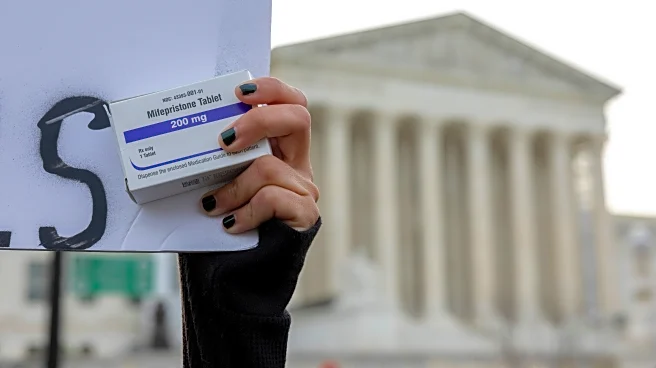
Iowa's legislative landscape may see further changes as anti-abortion advocates push for additional restrictions, such as cracking down on mail-order abortion pills. The proposed bill could further limit access to abortion services, prompting more Iowans to seek care out-of-state. Abortion rights groups may intensify efforts to challenge restrictive laws and support individuals affected by these changes. The evolving legal and political environment in Iowa could influence similar legislative efforts in other states, shaping the national discourse on reproductive rights.