



What's Happening?
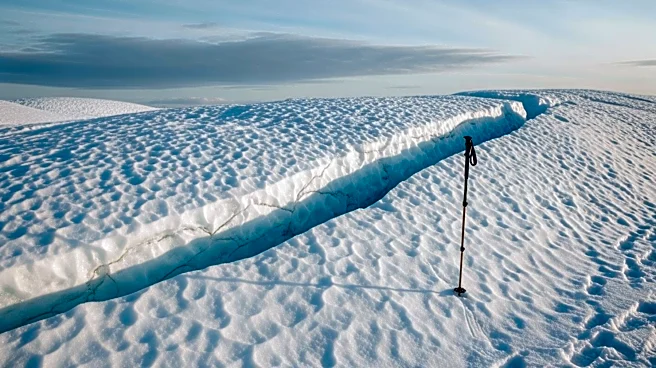
The glacier tourism industry in Iceland is experiencing significant challenges as it grapples with safety concerns and environmental impacts. The allure of Iceland's ice caves, particularly those on the Breiðamerkurjökull glacier, has drawn millions of tourists,
leading to a booming industry. However, the rapid melting of glaciers due to climate change has increased the risks associated with ice cave tours. In 2024, a tragic incident occurred when an ice cave collapsed, resulting in the death of an American tourist and injuries to others. This incident highlighted the dangers of ice cave tourism, especially during the summer months when the ice is less stable. The industry has expanded beyond its traditional winter season, driven by high demand and financial incentives, leading to year-round operations that some experts warn are unsafe.
Why It's Important?
The situation underscores the tension between economic interests and environmental safety. The glacier tourism industry is a significant contributor to Iceland's economy, attracting millions of visitors and generating substantial revenue. However, the expansion of ice cave tours into the summer months poses serious safety risks, as the ice caves are inherently unstable and prone to collapse. The incident in 2024 has prompted calls for stricter regulations and better safety practices. The reliance on tourism revenue creates pressure to continue operations despite the risks, raising ethical questions about the sustainability and safety of such practices. The broader implications include the need for balancing economic growth with environmental conservation and public safety.
What's Next?
In response to the 2024 incident, there have been efforts to improve safety standards and oversight within the glacier tourism industry. The Icelandic Tourism Board and local authorities are working to implement new safety protocols and regulations. The introduction of the GLACIS portal, a database for ice cave operators, aims to enhance communication and situational awareness among guides and companies. However, the industry remains largely self-regulated, and there is ongoing debate about the adequacy of current measures. The future of glacier tourism in Iceland will likely depend on the ability to reconcile economic interests with the need for stringent safety and environmental protections.
Beyond the Headlines
The challenges facing Iceland's glacier tourism industry reflect broader issues related to climate change and sustainable tourism. As glaciers continue to melt at unprecedented rates, the natural landscapes that attract tourists are rapidly changing. This raises questions about the long-term viability of glacier tourism and the ethical implications of promoting 'last-chance tourism' to fragile environments. The industry must navigate the complexities of preserving natural wonders while ensuring the safety of visitors and minimizing environmental impact. The situation also highlights the importance of integrating scientific research and local expertise into tourism practices to create a more sustainable and responsible industry.