

What's Happening?
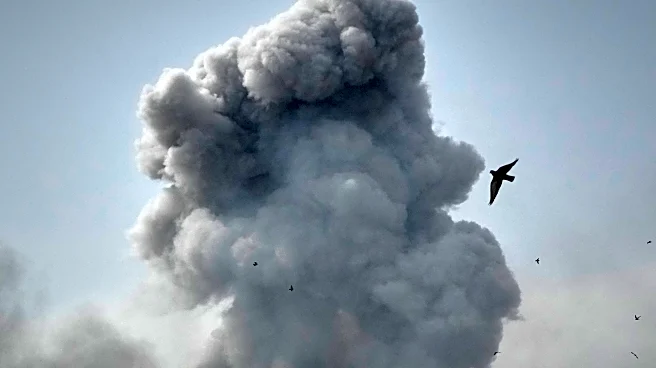
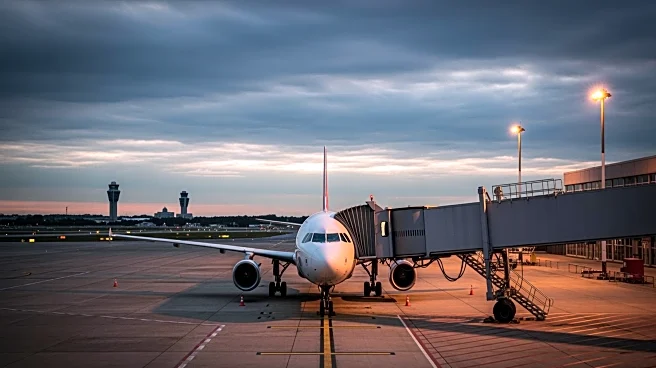
The ongoing conflict in the Middle East, particularly involving Iran, has led to significant disruptions in global air travel. Major airlines such as Emirates, Etihad, and Qatar Airways have suspended flights due to airspace closures over several countries,
including the UAE, Qatar, Kuwait, Israel, Bahrain, and Iraq. This has resulted in thousands of flight cancellations, affecting travelers worldwide. The Thai government has announced plans to evacuate its citizens from the region using military or charter flights. The situation has also impacted airline stocks and increased oil prices, further complicating the travel scenario.
Why It's Important?
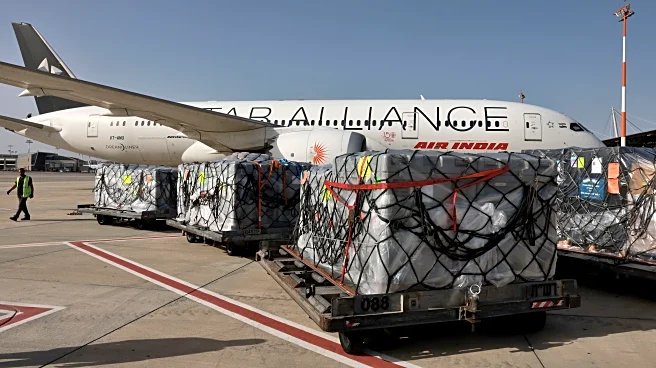
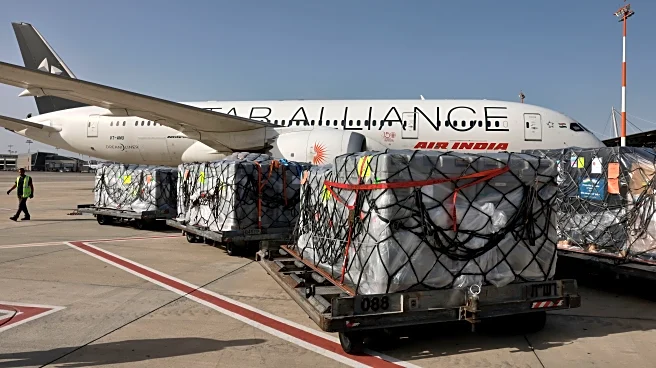
The disruptions in air travel due to the Middle East conflict have far-reaching implications for the global aviation industry. The suspension of flights by major airlines affects not only passenger travel but also air cargo, which is crucial for international trade. The increase in oil prices adds to the financial strain on airlines, potentially leading to higher ticket prices and reduced profitability. The situation underscores the vulnerability of global travel networks to geopolitical tensions and highlights the need for contingency planning by airlines and governments.
What's Next?
As the conflict continues, airlines and governments are likely to explore alternative routes and evacuation plans for stranded passengers. The situation may lead to increased diplomatic efforts to de-escalate tensions in the region. Airlines will need to assess the financial impact of the disruptions and adjust their operations accordingly. The travel industry may also see a shift in passenger preferences, with travelers opting for destinations perceived as safer.