






What's Happening?
A randomized controlled trial conducted in Australia, involving 60 participants, has demonstrated that adopting a low-plastic diet can significantly reduce the levels of certain plastic-associated chemicals in the human body within as little as a week.
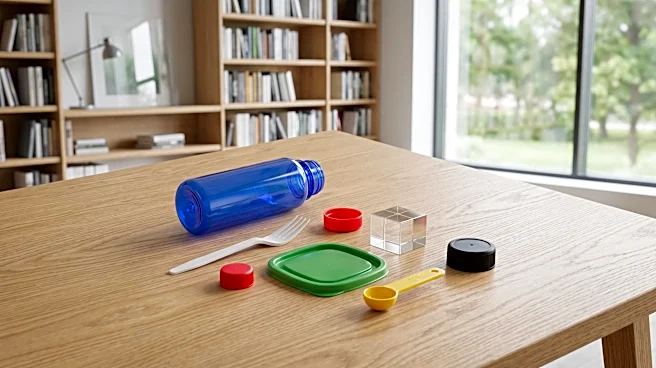
The study, published in Nature Medicine, found that participants who consumed food with minimal plastic contact and used plastic-free kitchenware experienced up to a 60% reduction in urine levels of specific phthalates and bisphenol A (BPA). Researchers, including principal investigator Michaela Lucas from the University of Western Australia, emphasized that while the health benefits are still under investigation, the findings provide hope that individuals can actively reduce their exposure to these chemicals. The experiment involved various interventions, including low-plastic food, plastic-free kitchenware, and low-plastic personal care products, with dietary changes showing the most pronounced effects.
Why It's Important?
This study carries significant implications for public health in the U.S., where plastic consumption and exposure to associated chemicals are widespread. The findings suggest that simple, actionable changes in diet and kitchen practices could lead to a measurable reduction in the body's chemical burden. This is particularly important given that over 16,000 chemicals are used in plastic manufacturing, with some known to be hormone disruptors linked to health issues like cardiovascular disease, metabolic syndrome, and infertility. For U.S. consumers, this research empowers them with practical strategies to mitigate potential health risks. For the food industry and policymakers, it highlights the need for greater transparency in food packaging and processing, potentially driving demand for plastic-free alternatives and influencing regulatory decisions regarding food contact materials. The study underscores a growing public health concern and the potential for individual actions to contribute to a healthier environment within the body.
What's Next?
The immediate next step for researchers is to further investigate the long-term health benefits associated with reduced levels of plastic chemicals in the body. This will involve more extensive studies to establish causal links between chemical exposure and health outcomes. For consumers, the study provides a clear impetus to consider adopting low-plastic diets and using plastic-free kitchenware. This could lead to increased demand for products packaged in glass, metal, or other non-plastic materials, and a shift in consumer purchasing habits. Businesses in the food and packaging industries may respond by innovating and offering more plastic-free options to meet this demand. Policymakers might also consider these findings when reviewing regulations related to food safety, packaging standards, and chemical use in consumer products, potentially leading to new guidelines or restrictions on certain plastic chemicals.
Beyond the Headlines
Beyond the immediate health implications, this study touches upon broader societal and ethical considerations regarding plastic production and consumption. It highlights the pervasive nature of plastic chemicals in our daily lives and the urgent need for systemic changes in how products are manufactured and distributed. Ethically, it raises questions about corporate responsibility in using chemicals with unknown long-term health effects and the right of consumers to access plastic-free options. Culturally, it could foster a greater awareness and movement towards 'plastic-conscious' living, influencing lifestyle choices beyond just diet, such as personal care products and household items. The study also underscores the scientific community's ongoing efforts to understand the complex interplay between environmental pollutants and human health, pushing the boundaries of preventive medicine and environmental health research. It serves as a powerful reminder that individual choices, when aggregated, can drive significant shifts in industry practices and public policy.