



What's Happening?
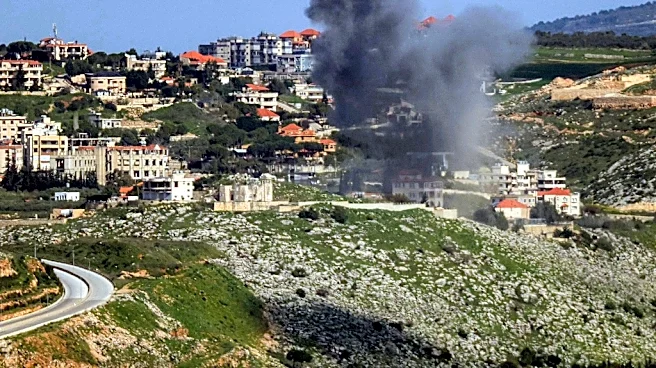
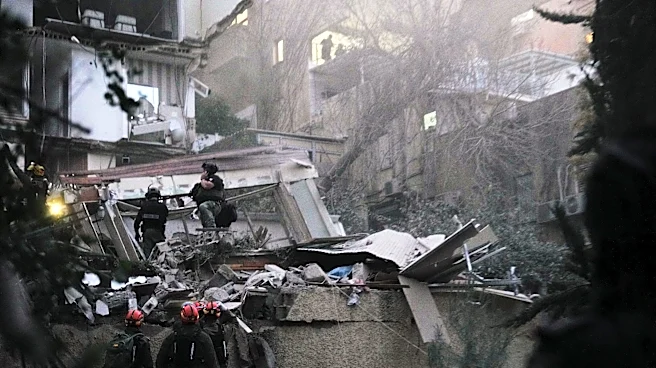
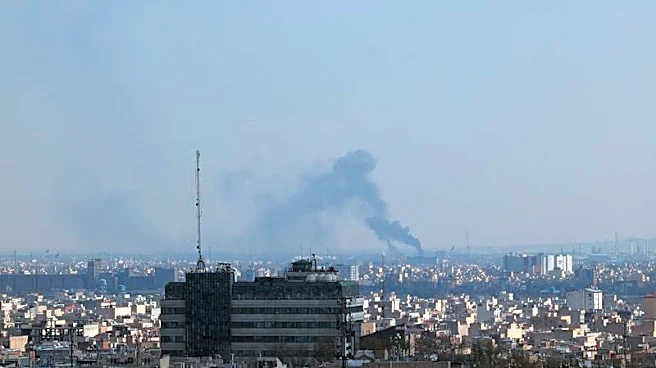
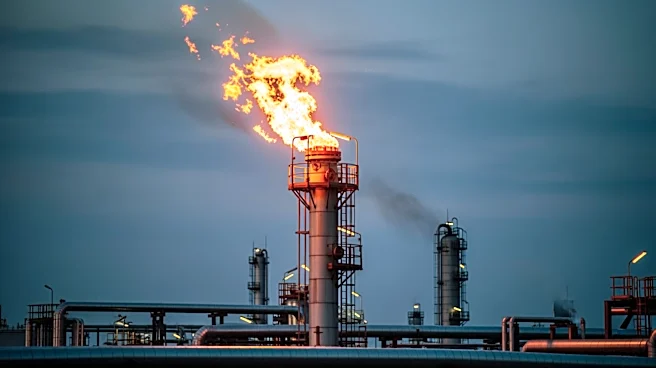
Israel has launched a significant attack on Iran's South Pars natural gas and petrochemical complex, a critical energy source for Iran. This marks the second time Israel has targeted this facility, which is vital for Iran's domestic energy needs and export
earnings. Israeli Defense Minister Israel Katz announced that the strike hit a major petrochemical plant at Asaluyeh, responsible for a substantial portion of Iran's petrochemical production. The attack follows a previous strike in March, which led to retaliatory actions by Iran against energy infrastructure in other Middle Eastern countries. The South Pars field, shared with Qatar, is the world's largest gas field and a key component of Iran's energy strategy.
Why It's Important?
The attack on South Pars is significant due to its potential impact on global energy markets and regional stability. Iran relies heavily on the gas from South Pars for domestic energy and as a source of export revenue, particularly in the petrochemical sector. The disruption of this facility could exacerbate energy shortages in Iran, which already faces challenges with its energy infrastructure. Additionally, the attack could lead to further escalation in the region, affecting global oil and gas supplies. The situation underscores the geopolitical tensions in the Middle East and the strategic importance of energy resources in international relations.
What's Next?
The recent attack may prompt further retaliatory actions from Iran, potentially targeting Israeli or allied interests in the region. The international community, particularly countries dependent on Middle Eastern energy supplies, will be closely monitoring the situation. Diplomatic efforts may be initiated to de-escalate tensions and prevent further disruptions to global energy markets. The U.S. and other global powers might engage in diplomatic or military strategies to stabilize the region and protect energy infrastructure.
Beyond the Headlines
The ongoing conflict highlights the vulnerability of critical energy infrastructure to geopolitical tensions. It raises questions about the security of energy supplies and the potential for conflicts to disrupt global markets. The situation also reflects the broader challenges faced by Iran due to international sanctions, which have hindered its ability to develop its energy sector fully. The reliance on petrochemical exports for revenue underscores the economic pressures on Iran and the strategic importance of diversifying energy sources and securing infrastructure.