



What's Happening?
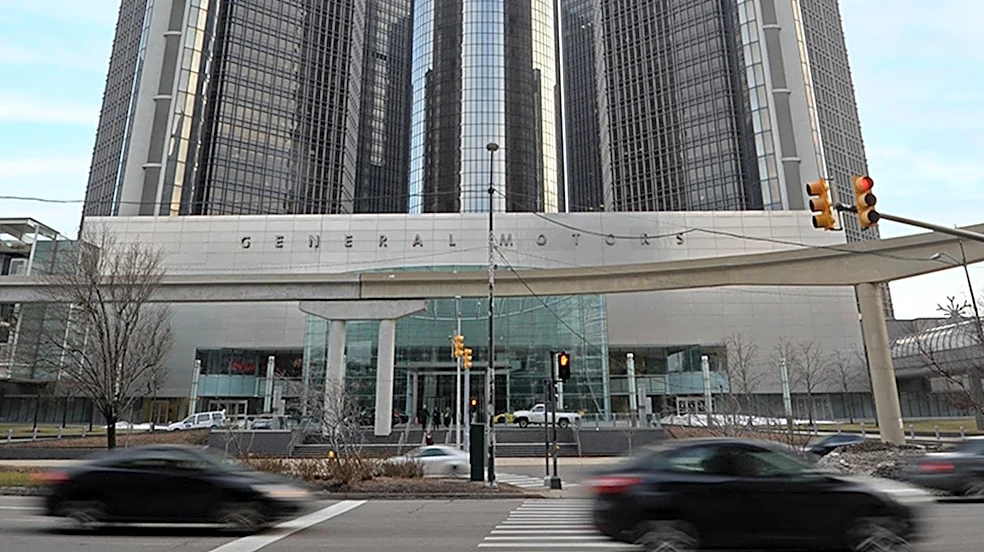
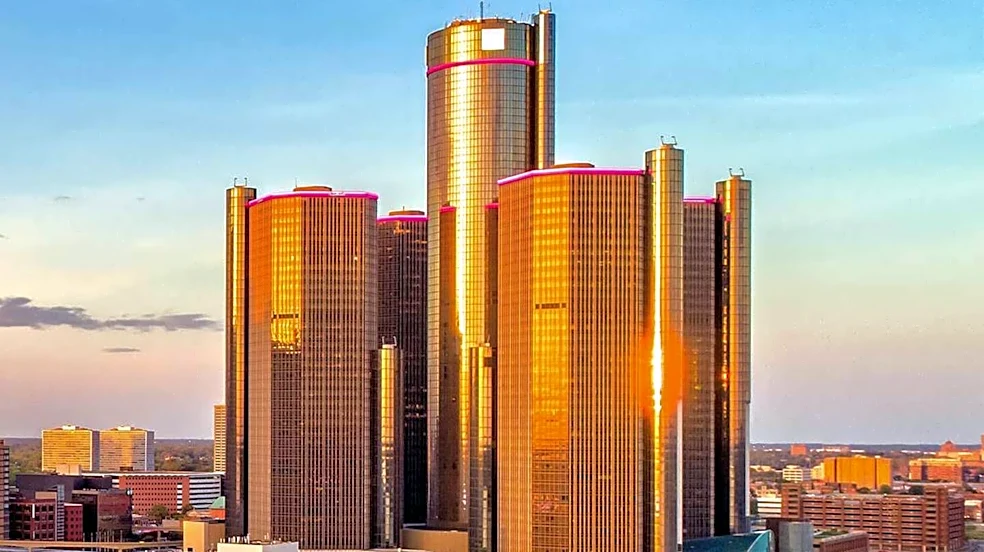
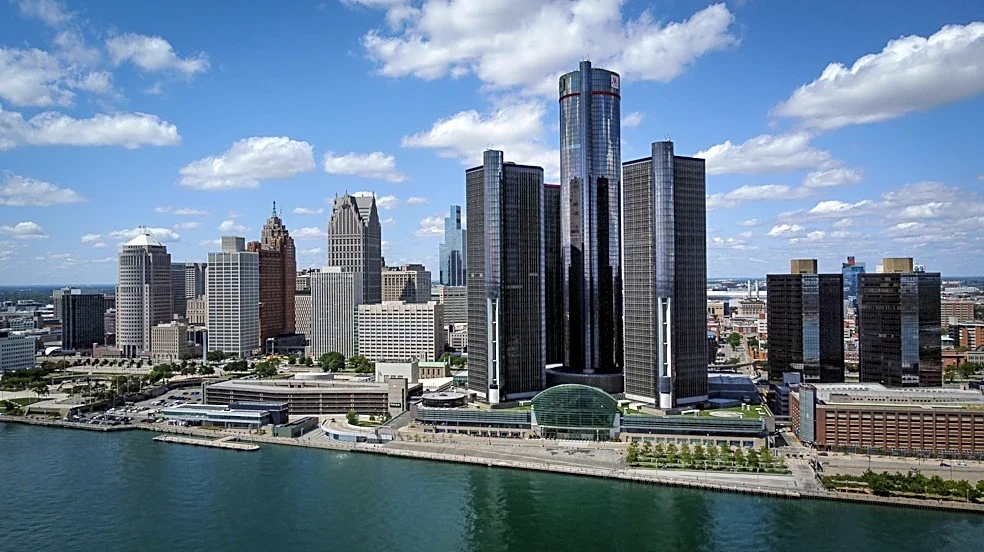
Dan Gilbert, the billionaire co-founder of Rocket Mortgage, has pledged $1 billion towards the redevelopment of the Renaissance Center in Detroit. This iconic complex of skyscrapers, once the headquarters of General Motors, has become largely vacant and
fallen into disrepair despite its historical role in revitalizing the city after the 1968 riots. Gilbert's commitment will be managed through a newly created 501(c)(4) nonprofit organization, signaling his intention for the project to be an 'impact-making venture' rather than a profit-making one. The total cost of the redevelopment is projected to reach $2.2 billion, with additional investments from General Motors. The project aims to bring new life to the Renaissance Center and create a thriving riverfront district, potentially generating 8,000 local construction jobs and transforming the area into a more inviting public space. This initiative is part of a broader trend of philanthropic investment in Detroit, following other significant commitments like the 'grand bargain' in 2013 and the Kresge Foundation's recent relocation and investment.
Why It's Important?
This $1 billion pledge by Dan Gilbert is highly significant for Detroit, representing a massive private investment aimed at urban revitalization. The use of a nonprofit structure for such a large-scale development is notable, as it aims to address historical criticisms regarding tax incentives benefiting billionaires by emphasizing community impact over profit. The project has the potential to create thousands of jobs, enhance public spaces, and further stimulate economic growth in a city that has undergone significant transformation. However, it also raises questions about the balance between private philanthropy and public accountability, especially given the project's pursuit of additional tax benefits. The success of this initiative could serve as a model for urban redevelopment, demonstrating how philanthropic capital can be leveraged for broad community benefit, but it also highlights ongoing debates about the role of tax incentives in such projects.
What's Next?
The redevelopment of Detroit's Renaissance Center will proceed under the management of the newly established 501(c)(4) nonprofit organization. The project is expected to seek over $300 million in additional tax benefits, beyond the $75 million already received from the Detroit Downtown Development Authority. The focus will be on generating construction jobs and transforming the riverfront into a more accessible and vibrant public space. While the nonprofit structure aims to ensure community benefit, advocates will likely continue to scrutinize the use of tax incentives and ensure that the project prioritizes the needs of Detroit residents, particularly in areas like housing, education, and transportation. The long-term success of this initiative will be measured by its ability to deliver on its promise of broad community impact and sustainable urban revitalization.