
What's Happening?
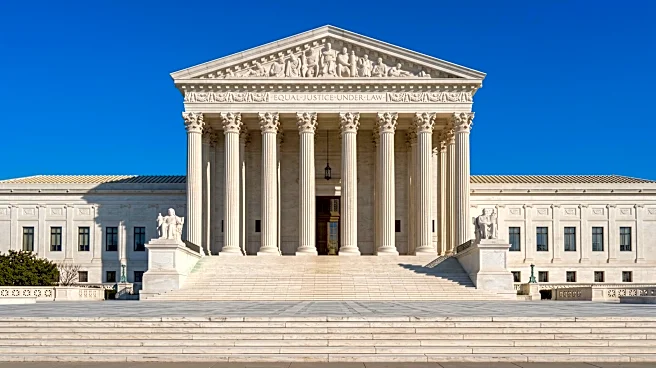
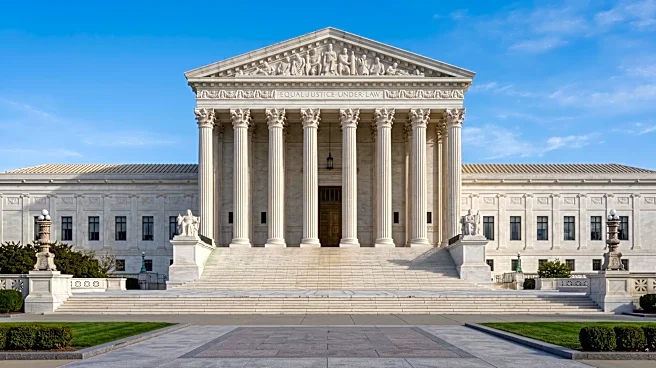
The Trump administration has formally requested the U.S. Supreme Court to assess the legality of its policy that effectively restricts transgender-identifying individuals from serving in the military.
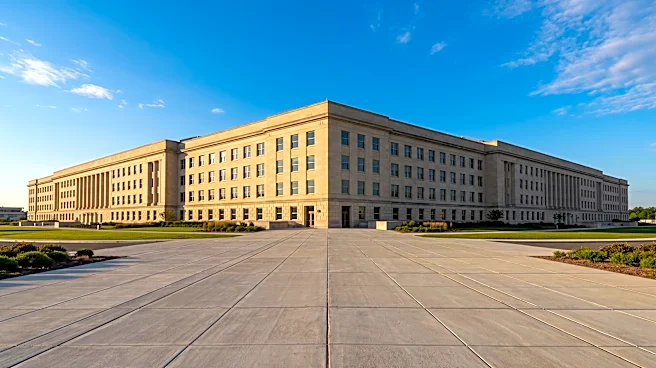
The Department of Justice (DOJ) filed a petition asking the high court to determine if the War Department’s rule, which generally disqualifies individuals with gender dysphoria, a history of the condition, or related interventions, violates the equal-protection component of the Fifth Amendment’s due process clause. This policy stems from a February 2025 Pentagon memo, which itself was a directive to comply with President Trump’s January 2025 executive order. That order mandated War Secretary Pete Hegseth to revise military policy regarding gender dysphoric individuals within 60 days. The request to the Supreme Court follows a series of legal challenges, including a preliminary injunction issued by D.C. District Judge Ana Reyes in March 2025, which was later partially upheld by a D.C. Circuit panel in June 2025, preventing the ban from being enforced against current service members.
Why It's Important?
This Supreme Court petition is significant as it seeks to resolve a contentious legal and social issue with direct implications for military readiness, individual rights, and the interpretation of constitutional protections. The administration argues that the lower court's ruling, which suggested the policy reflects invidious discrimination, is 'gravely erroneous' and inconsistent with Supreme Court precedents and deference to the military. A decision by the Supreme Court could establish a definitive legal precedent regarding the rights of transgender individuals in military service, impacting current and future policies. The outcome will also influence the balance of power between the executive branch's authority over military policy and the judiciary's role in upholding constitutional rights. Furthermore, it highlights the ongoing debate about gender identity in public institutions and the extent to which the military can implement policies based on medical or social considerations.
What's Next?
The Supreme Court is expected to commence its 2026 term in the coming weeks, during which it will consider whether to hear the case. At least four justices must agree to grant certiorari for the case to be heard by the full court. If the Supreme Court decides to take up the case, it will likely schedule oral arguments and issue a ruling later in its term. The decision will have immediate and far-reaching consequences for transgender individuals currently serving or seeking to serve in the U.S. military, as well as for the Department of Defense's recruitment and retention policies. Major stakeholders, including LGBTQ+ advocacy groups, military families, and political leaders, will closely monitor the court's decision, and any ruling could trigger further legislative or executive actions depending on the outcome.
Beyond the Headlines
Beyond the immediate legal and policy implications, this case touches upon deeper societal questions regarding inclusion, discrimination, and the evolving understanding of gender identity within traditional institutions. The administration's argument for deference to military authority in determining who serves raises questions about the limits of such deference when constitutional rights are at stake. The case also underscores the ongoing tension between conservative and progressive viewpoints on social issues, particularly in the context of federal policy. A Supreme Court ruling could either reinforce existing societal norms or push for greater acceptance and integration of transgender individuals, potentially influencing broader civil rights discussions and policies beyond the military. The ethical and cultural dimensions of military service, personal identity, and national defense are all intertwined in this legal challenge.