
What's Happening?
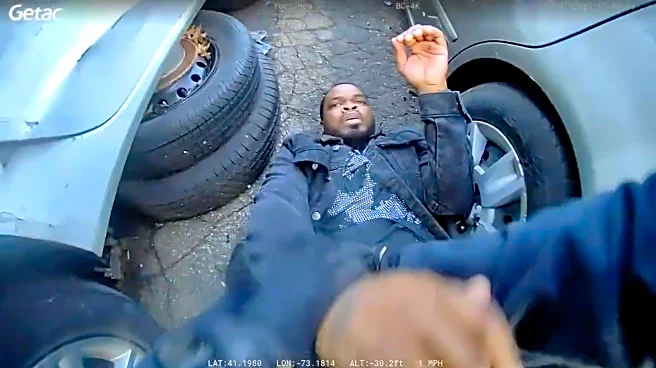
A state investigation has revealed that a police officer in Bridgeport, Connecticut, experiencing a mild anxiety attack, took the first ambulance meant for a man who was shot by police and later died. The incident involved Dyshan Best, a 39-year-old man who was shot in the back
while fleeing from officers. The report by the state’s inspector general found the shooting justified, as Best was armed and posed a threat. However, the report raised concerns about the aftermath, where the first ambulance was used to transport Officer Erin Perrotta, who was involved in the chase and was described as 'visibly hysterical.' This decision delayed medical assistance for Best, who was left with severe internal injuries. Best was eventually transported by a second ambulance and died during treatment. The report did not conclude if the delay contributed to his death, but the family believes he might have survived with prompt medical attention.
Why It's Important?
This incident highlights critical issues in police response protocols and the handling of mental health crises among officers. The delay in medical assistance due to an officer's anxiety attack raises questions about the prioritization of care in emergency situations. It underscores the need for better mental health support for law enforcement personnel to prevent such occurrences. The case also touches on broader societal concerns regarding police interactions with Black individuals and the potential for systemic biases. The family's reaction reflects ongoing tensions and demands for justice and accountability in police conduct, which could influence public trust and policy reforms in law enforcement practices.
What's Next?
The Bridgeport Police Department's Internal Affairs Division is set to conduct its own investigation into the incident. This could lead to policy changes regarding the management of officers' mental health during critical incidents. The outcome of this investigation may also impact the legal proceedings or civil actions pursued by Best's family. Additionally, the case could prompt discussions on national levels about the need for comprehensive mental health resources for police officers and the implementation of protocols to ensure timely medical assistance for civilians in police-related incidents.