





What's Happening?
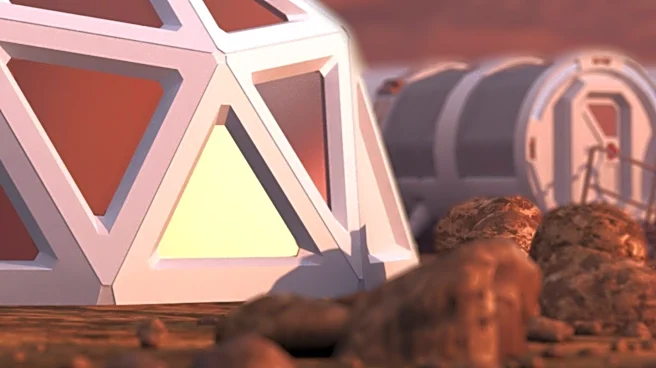
Four NASA CHAPEA volunteers, Ross Elder, Ellen Ellis, James Spicer, and Matthew Montgomery, successfully completed a 378-day simulation of life on Mars, exiting a 3D-printed habitat in Houston on October 31, 2026. The crew entered the Mars Dune Alpha
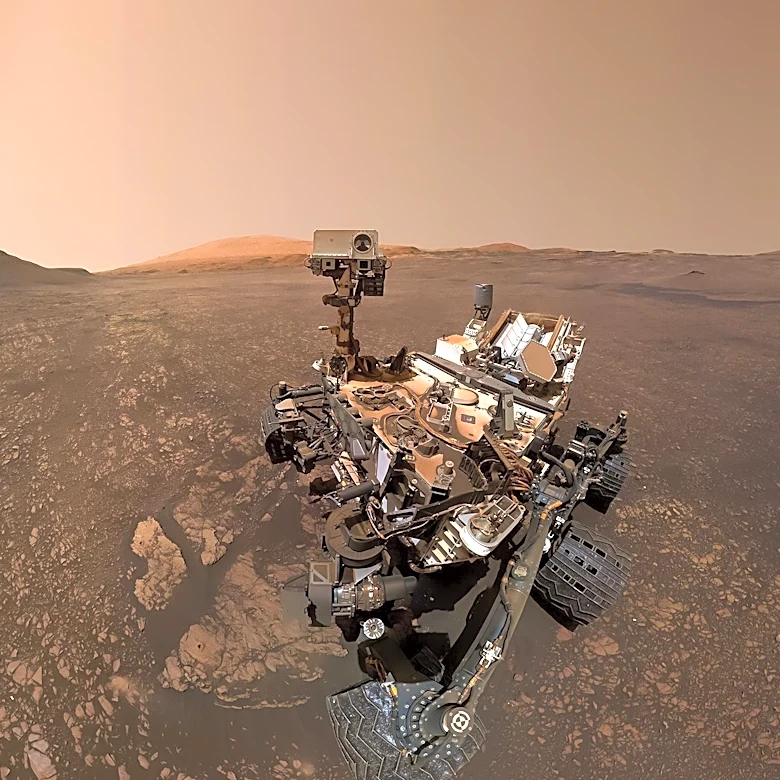
habitat on October 19, 2025, enduring a windowless environment with no live calls home. This mission, CHAPEA Mission 2, is NASA’s second year-long simulation designed to study the physiological and psychological impacts of long-duration space travel. During their stay, the crew managed simulated equipment failures, limited supplies, and communication delays of up to 22 minutes each way with mission control. They also conducted 'Marswalks' in a simulated red sand environment, operating a drone and rover to collect rock samples. The crew's reflections were posted by NASA on November 9, and health data from their mission will undergo two weeks of post-mission evaluations.
Why It's Important?
This simulation is crucial for NASA's long-term goals of human exploration to Mars and the Moon. The data collected on crew health, performance, and psychological well-being under isolated and resource-constrained conditions will directly inform future mission planning. Understanding how a crew of four manages communication delays, equipment malfunctions, and limited resources is vital for developing robust support systems and training protocols for actual space missions. The insights gained will help NASA weigh health risks against operational needs, such as crew time, communication capacity, and food and water systems. This research is particularly relevant for the planned Moon Base near the lunar South Pole, as many resource challenges in space mirror those on Earth. The mission highlights the importance of a closely integrated ground team and the immense physiological and psychological strength required for such endeavors.
What's Next?
Following their exit, the four crew members are undergoing two weeks of tests and debriefs with NASA scientists. The health data collected throughout the 378-day mission will be analyzed and compared with the crew's self-reported experiences. The results from CHAPEA Mission 2 are anticipated to provide critical insights for future space exploration. This data will directly feed into the planning and development of NASA's Moon Base near the lunar South Pole and subsequent human missions to Mars. Future simulations or real-world missions will likely incorporate lessons learned regarding crew autonomy, resource management, and the psychological support necessary for long-duration isolation. The ongoing analysis will help refine strategies for medical and psychological care across significant communication delays, ensuring the safety and success of future space travelers.
Beyond the Headlines
The CHAPEA Mission 2 simulation delves into the profound ethical and psychological dimensions of long-duration space travel. The crew's experience of isolation, even in a simulated environment, raises questions about human resilience and the necessity of maintaining mental well-being in extreme conditions. The mission's focus on crew autonomy and the ability to manage unexpected challenges without immediate external intervention underscores a shift towards more self-sufficient space exploration models. Furthermore, the comparison of resource problems in space to those on Earth highlights the broader implications of sustainable living and resource management, suggesting that innovations developed for space could have terrestrial applications. The simulation also touches upon the cultural aspect of human connection, as the crew relied on email for family communication, emphasizing the psychological toll of delayed and limited contact with loved ones during extended missions.