

What's Happening?
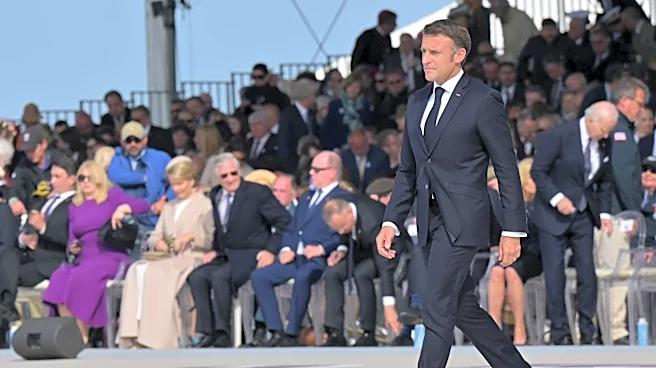
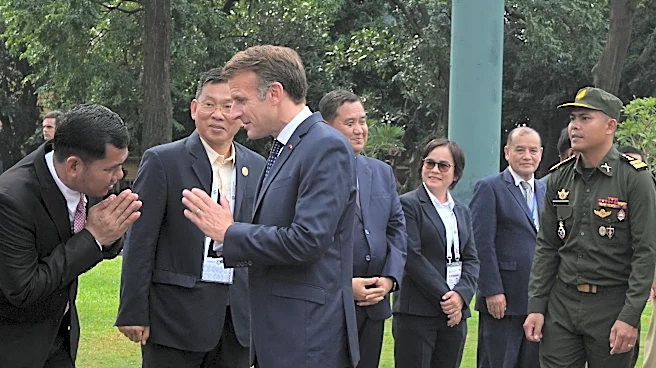
A new biography by veteran journalist Catherine Nay, titled 'Ce pays dont le prince est un enfant' (This Country Whose Prince is a Child), delves into the personal life and psychological makeup of French President Emmanuel Macron. The book, based on interviews
with Macron, his wife Brigitte, and close acquaintances, reveals the President's admission of feeling like 'still a child' and never having been a teenager. He reportedly stated, 'I don’t like teenagers. I don’t understand them. My wife does.' The biography highlights the significant influence of two older women in his life: his grandmother, Manette, and his wife, Brigitte, who is 24 years his senior. Brigitte Macron is quoted in the book suggesting her husband 'ought to be psychoanalysed,' believing he has not fully processed the loss of his grandmother. The book also explores Macron's perceived struggle with admitting mistakes and his intellectual detachment from self-analysis, traits that Nay suggests have influenced his political decisions, including the controversial early parliamentary elections in 2024.
Why It's Important?
This biography offers a rare glimpse into the personal psychology of a major world leader, potentially influencing public perception and political analysis. The insights into President Macron's personality, particularly his reported difficulty with self-reflection and admitting errors, could be seen as relevant to understanding his leadership style and decision-making processes. For instance, the book links these personal traits to significant political actions, such as the early parliamentary elections that led to his party losing its majority and a subsequent political crisis in France. Such revelations can shape how both domestic and international observers interpret his future policies and diplomatic engagements. The focus on his formative relationships also provides a psychological framework that might be used to analyze his interactions with other leaders and his approach to governance, potentially impacting France's standing on the global stage.
What's Next?
The release of this biography is likely to spark further public discussion and media scrutiny regarding President Macron's leadership and personal character, especially as France approaches the concluding stage of his second presidential term. Political commentators and analysts will likely draw connections between the book's revelations and ongoing political events, potentially influencing public opinion ahead of future elections. While the book's psychological conclusions are presented as the author's interpretations rather than definitive diagnoses, they could fuel debates about the personal qualities deemed essential for national leadership. President Macron may face questions or increased scrutiny regarding his decision-making, particularly concerning his perceived inability to admit mistakes, which could affect his political capital and ability to navigate future challenges. The book's insights might also prompt further biographical or psychological analyses of other political figures.
Beyond the Headlines
The biography touches upon deeper themes concerning the intersection of personal psychology and political leadership. It raises questions about how early life experiences, particularly formative relationships and the processing of personal loss, can shape a leader's public persona and decision-making. The suggestion that President Macron struggles with self-analysis and admitting mistakes highlights a broader discussion about accountability and introspection in political figures. Furthermore, the book implicitly explores the ethical dimensions of public figures' private lives being dissected for political understanding. While offering insights, it also prompts reflection on the boundaries between personal traits and public performance, and how much a leader's psychological makeup should be considered when evaluating their governance. This narrative contributes to the ongoing discourse about the human element in politics and the complex interplay between individual psychology and national leadership.