


What's Happening?
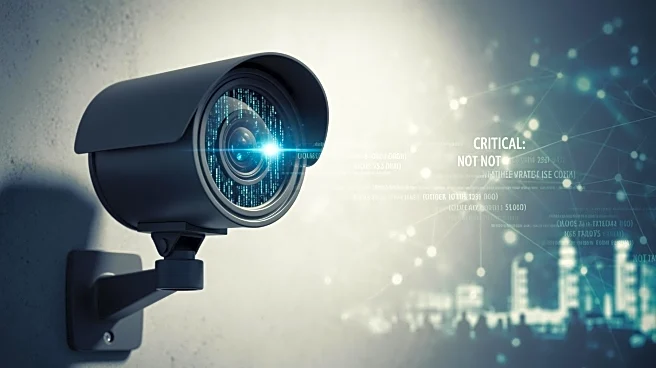
A coordinated campaign targeting internet-connected surveillance cameras has been attributed to Iranian hackers, according to Check Point Research (CPR). The attacks, which began intensifying on February 28, have affected several Middle Eastern countries,
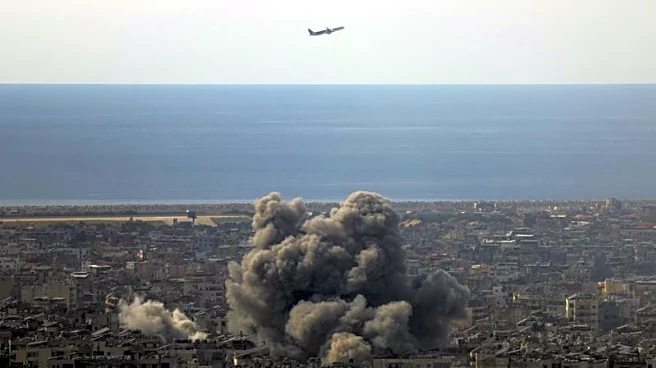
including Israel and the UAE. The campaign focuses on exploiting vulnerabilities in Hikvision and Dahua devices, using compromised cameras for operational planning and damage assessment following missile strikes. The activity coincides with geopolitical tensions, including Iran's temporary airspace closure and public warnings of potential U.S. strikes. CPR's findings suggest that monitoring such camera-targeting activities could provide early warnings of kinetic operations.
Why It's Important?
This development underscores the growing role of cyber warfare in international conflicts, highlighting the vulnerabilities of critical infrastructure to cyberattacks. The use of compromised surveillance cameras for military purposes illustrates the strategic importance of cybersecurity in national defense. For the U.S., this raises concerns about the security of its own surveillance networks and the potential for similar tactics to be used against American interests. The situation also emphasizes the need for robust cybersecurity measures and international cooperation to mitigate the risks posed by state-sponsored cyber threats.
What's Next?
To mitigate these risks, experts recommend eliminating public exposure of surveillance devices, enforcing strong credentials, and keeping firmware updated. Network segmentation and monitoring for unusual activity are also advised. As geopolitical tensions persist, further cyberattacks are likely, necessitating ongoing vigilance and adaptation of cybersecurity strategies by affected nations and their allies.