







What's Happening?
A study involving over 30,000 U.S. adults, published in the journal Social Science & Medicine, indicates that regular volunteering or informal help to others can significantly slow age-related cognitive decline. Researchers found that individuals who
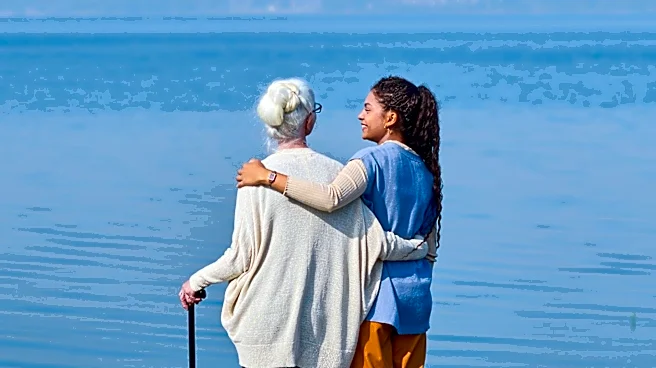
engaged in such activities experienced 15% to 20% less cognitive decline compared to those who did not. The most pronounced benefits were observed in people who dedicated approximately two to four hours per week to helping others. Sae Hwang Han, PhD, lead study author and associate professor at The University of Texas at Austin, suggests that these activities provide social connection, a sense of purpose, and cognitive stimulation, all of which contribute to better cognitive health. Faye Begeti, PhD, a neuroscientist at Oxford University Hospitals, emphasizes that challenging the brain throughout life is crucial for preventing cognitive decline, and volunteering serves as an excellent way to achieve this. The study also notes that in-person engagement might be particularly potent due to strengthened social and psychological rewards.
Why It's Important?
This research highlights a significant, accessible, and mutually beneficial strategy for public health in the U.S., particularly concerning the aging population. With an increasing number of older adults, cognitive decline and dementia pose substantial challenges to healthcare systems and individual well-being. Promoting volunteering and community engagement could serve as a cost-effective and impactful preventative measure, potentially reducing the burden on long-term care facilities and improving the quality of life for seniors. The findings suggest a shift in focus from solely medical interventions to incorporating social and purposeful activities as integral components of brain health strategies. This could influence public policy to support and incentivize volunteer programs, fostering stronger community ties while simultaneously addressing a critical health concern. Individuals, families, and healthcare providers can leverage this information to encourage participation in helping activities, recognizing their dual benefits for both the recipient and the helper's cognitive longevity.
What's Next?
The findings from this study could prompt further research into the specific mechanisms through which helping others impacts cognitive health, potentially leading to more targeted interventions. Public health campaigns might begin to incorporate recommendations for volunteering as part of a holistic approach to brain health, alongside existing advice on diet and exercise. Organizations focused on aging and cognitive health may develop new programs or expand existing ones to facilitate volunteer opportunities for older adults, emphasizing the 'sweet spot' of two to four hours per week. Policy discussions could emerge regarding funding for community-based volunteer initiatives, recognizing their potential to yield long-term health and societal benefits. Additionally, healthcare providers may start including questions about social engagement and volunteering in routine check-ups, offering guidance and resources to patients interested in these activities as a preventative measure against cognitive decline.
Beyond the Headlines
Beyond the immediate health implications, this study underscores the profound interconnectedness between individual well-being and community engagement. It suggests that altruism is not merely a moral good but a biological imperative for human flourishing, particularly in maintaining cognitive vitality. The emphasis on 'meaningful engagement' highlights a potential antidote to the growing issues of social isolation and loneliness, which are increasingly recognized as public health crises. This research could inspire a re-evaluation of societal values, promoting a culture where contributing to others is seen not just as a charitable act but as a fundamental aspect of personal health maintenance. It also raises ethical considerations about how to ensure equitable access to meaningful volunteer opportunities for all segments of the population, regardless of socioeconomic status or physical ability, to maximize the collective cognitive health benefits across the nation.