







What's Happening?
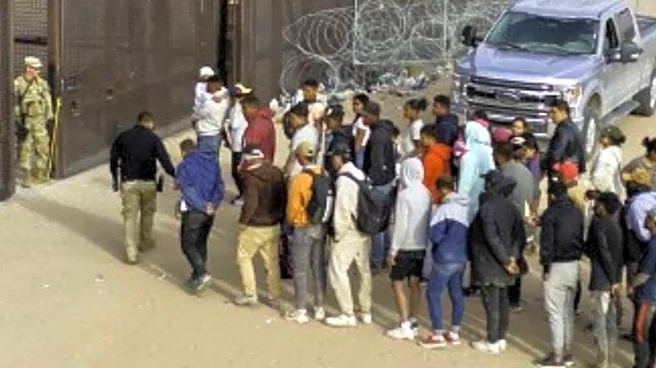
The Department of Homeland Security (DHS) has extended its formal 'Finding of Mass Influx of Aliens' for an additional 180 days, effective September 21, 2026. This finding, first issued on January 23, 2025, and extended multiple times, asserts that an actual
or imminent mass influx of aliens is occurring at the southern border, warranting continued federal action. In conjunction with this extension, DHS has formally requested assistance from state and local governments across all 50 states. The agency cited factors such as border encounters, detention capacity, interior immigration enforcement demands, and the number of individuals with final removal orders on ICE's non-detained docket. As of August 12, 2026, ICE reported a detention population of 67,022 against a maximum capacity of 80,700, and over 2.1 million people with final orders of removal on ICE's non-detained docket as of August 11.
Why It's Important?
This extension of the 'mass influx' finding is significant because it provides a legal framework under 8 U.S.C. § 1103(a)(10) for state and local law enforcement officers to perform certain functions typically carried out by federal immigration officers, with the consent of their agency leadership. While this does not automatically grant every police officer immigration authority, it facilitates increased federal-state cooperation in immigration enforcement. This development builds upon existing programs like 287(g), through which ICE already has agreements with over 1,000 state and local agencies in 40 states. For individuals who are undocumented, have final removal orders, or other enforcement vulnerabilities, contact with local law enforcement could now have direct implications for their federal immigration status, varying significantly by jurisdiction and the specific agreements in place. This policy aims to bolster border security and interior enforcement by leveraging local resources, potentially leading to more deportations and increased pressure on immigrant communities nationwide.
What's Next?
The 'mass influx' finding will remain in effect for 180 days unless terminated earlier by DHS due to changing circumstances. During this period, state and local law enforcement agencies may continue to enter into or expand agreements with DHS to assist in immigration enforcement. This could lead to a more decentralized and widespread enforcement effort across the U.S. Immigrants and their legal counsel will need to remain vigilant regarding the specific authorities and agreements in their local jurisdictions, as the practical consequences of encounters with law enforcement will vary. Further legal challenges or policy adjustments could also emerge in response to the expanded federal-state cooperation, particularly concerning the scope and implementation of these authorities and their impact on civil liberties.
Beyond the Headlines
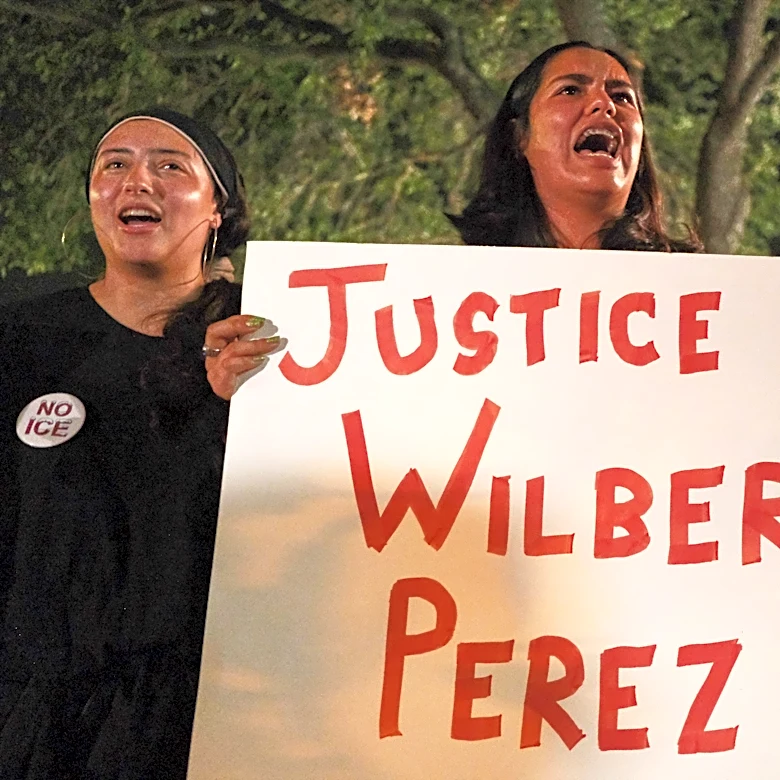
The expanded cooperation between federal immigration authorities and state and local law enforcement raises deeper questions about the balance between national security, immigration enforcement, and civil rights. Critics may argue that deputizing local police for immigration duties could lead to racial profiling, erode trust between immigrant communities and local law enforcement, and divert local resources from addressing local crime. Conversely, proponents contend that such cooperation is essential for maintaining border security and enforcing immigration laws effectively. This policy also highlights the ongoing debate about federalism and the role of states in national immigration policy. The long-term implications could include a more complex and fragmented immigration enforcement landscape, where an individual's rights and experiences may depend heavily on their geographic location within the U.S.