



What's Happening?
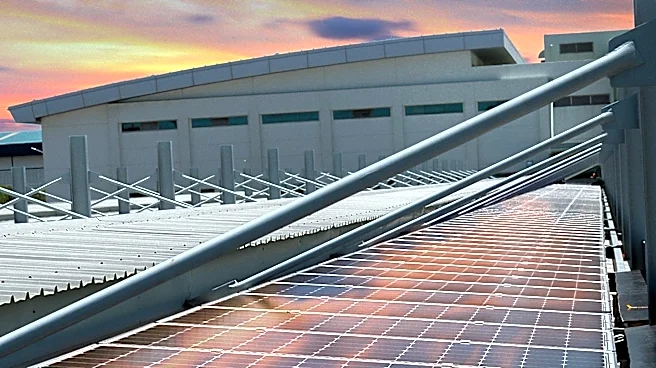
As the 2026 midterm elections approach, a significant portion of the American electorate is expressing strong support for solar energy and storage solutions. Recent polls indicate that 66% of Americans favor increased emphasis on solar energy production.
This sentiment is driven by rising energy costs, unpredictable fuel prices, and the need for reliable, low-cost energy solutions. Solar and storage are seen as quick-to-build and cost-effective, offering a viable alternative to fossil fuels. The popularity of these technologies spans political affiliations, with both Democratic and Republican voters showing support. The growing demand for solar energy is also linked to its potential to create jobs and strengthen energy independence.
Why It's Important?
The increasing support for solar and storage reflects a broader shift in public opinion towards sustainable energy solutions. As energy costs continue to rise, voters are prioritizing affordability and reliability in their energy choices. This trend presents an opportunity for policymakers to align their platforms with voter preferences, potentially influencing election outcomes. The emphasis on solar energy also highlights the economic benefits, including job creation and local investments. As the U.S. seeks to reduce its reliance on fossil fuels, solar and storage offer a pathway to achieving energy independence and addressing climate change concerns. The political implications are significant, as candidates who champion these technologies may gain an electoral advantage.
What's Next?
With the midterm elections looming, candidates are likely to incorporate solar and storage into their energy agendas to appeal to cost-conscious voters. The focus on these technologies could lead to increased investments and policy initiatives aimed at expanding solar infrastructure. As the demand for clean energy grows, the solar and storage industries are poised for further expansion, potentially driving economic growth and innovation. Policymakers will need to address regulatory and logistical challenges to facilitate the deployment of solar projects. The outcome of the elections could shape the future of U.S. energy policy, with implications for environmental sustainability and economic development.