





What's Happening?
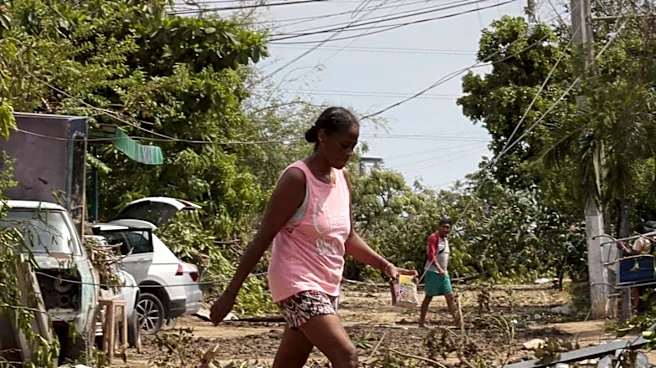
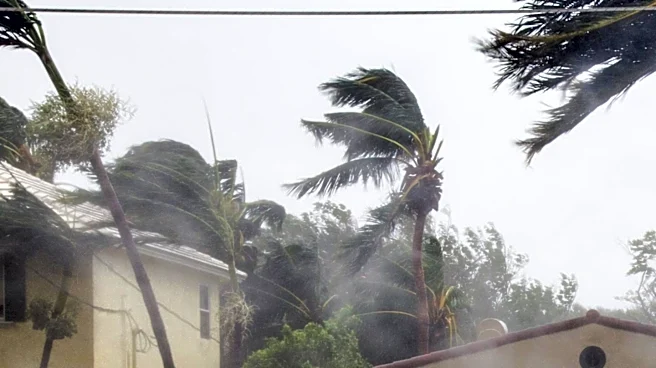
A report by the German environmental organization Germanwatch, the Climate Risk Index 2027 (CRI 2027), reveals that between 1996 and 2025, the world experienced nearly 10,000 weather and climate-related disasters. These events resulted in over 916,000
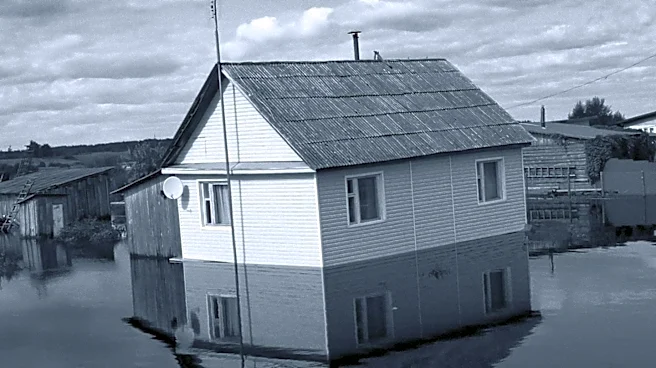
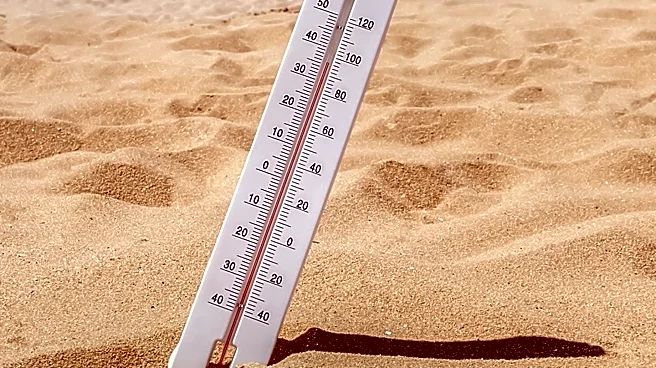
deaths, affected approximately 5.5 billion people, and caused direct economic losses exceeding $4.7 trillion, adjusted for inflation. In 2025 alone, 367 extreme weather events are projected to cause nearly 35,000 deaths and over $158 billion in economic losses. Heatwaves are identified as the leading cause of fatalities, accounting for nearly 70% of deaths in 2025, a significant increase from the 40% recorded between 1996 and 2025. While floods have affected the most people, storms are responsible for the greatest economic damage. The report also highlights that the actual death toll, particularly from heatwaves in developing countries, may be significantly higher due to limited reporting systems.
Why It's Important?
The escalating frequency and intensity of extreme weather events, as detailed in the Germanwatch report, pose significant and growing challenges to global economies and public health. The staggering economic losses, comparable to Germany's GDP, underscore the immense financial burden these disasters place on nations, impacting infrastructure, productivity, and livelihoods. The disproportionate impact on low- and middle-income countries, which struggle with recovery and face prolonged financial burdens, exacerbates global inequalities. Even developed nations with robust infrastructure are experiencing substantial damage, indicating a universal vulnerability. The rise in heatwave-related deaths highlights a critical public health crisis, particularly affecting vulnerable populations and straining healthcare systems. The indirect economic losses, such as reduced labor productivity and supply chain disruptions, further compound the direct damages, affecting global trade and economic stability.
What's Next?
The Germanwatch report urges increased investment in early warning systems, flood control, heatwave response plans, and resilient infrastructure. This call to action suggests a global shift towards proactive disaster preparedness and mitigation strategies. There is also a strong emphasis on providing increased financial support to vulnerable countries to aid their recovery and build resilience. Furthermore, the report advocates for measures to reduce greenhouse gas emissions, primarily from fossil fuels, to limit global warming and mitigate the long-term drivers of extreme weather. In urban areas, solutions like expanding green spaces and limiting pollution are recommended to combat the urban heat island effect. Policies promoting renewable energy and energy efficiency are also highlighted as crucial components of long-term response strategies, indicating a future focus on sustainable development and climate adaptation.
Beyond the Headlines
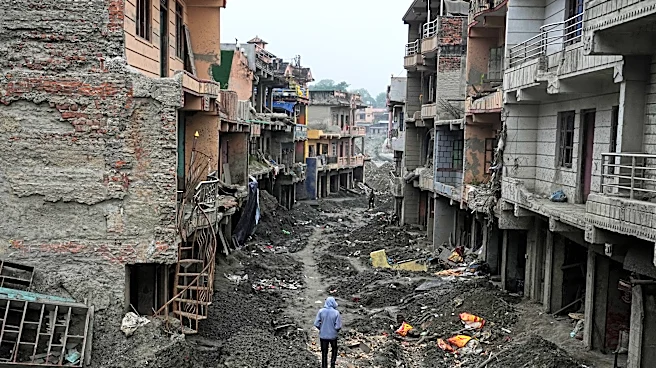
The report's findings reveal deeper implications beyond immediate disaster response, touching upon ethical and systemic issues. The difficulty in accurately reporting deaths, especially in developing countries and for heatwave-related fatalities, suggests a potential underestimation of the true human cost of climate change. This data gap can hinder effective policy-making and resource allocation. The observation that repeated extreme weather events can destroy newly rebuilt structures in vulnerable countries points to a cycle of destruction and recovery that perpetuates poverty and instability, raising questions about global responsibility and equitable climate action. The economic impact on labor productivity, particularly in outdoor occupations and the informal sector, highlights a growing threat to livelihoods and social equity. The strain on energy and transportation systems, such as nuclear power plant shutdowns and disrupted waterways, indicates a broader vulnerability of critical infrastructure to climate extremes, necessitating a re-evaluation of energy security and supply chain resilience.