





What's Happening?
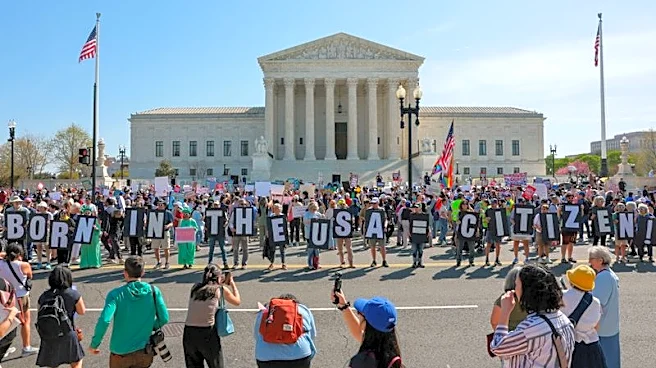
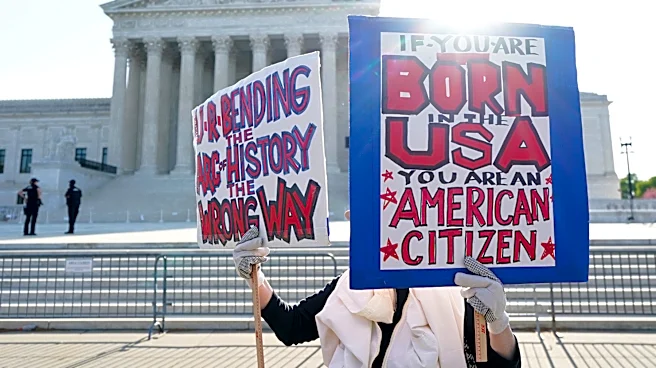
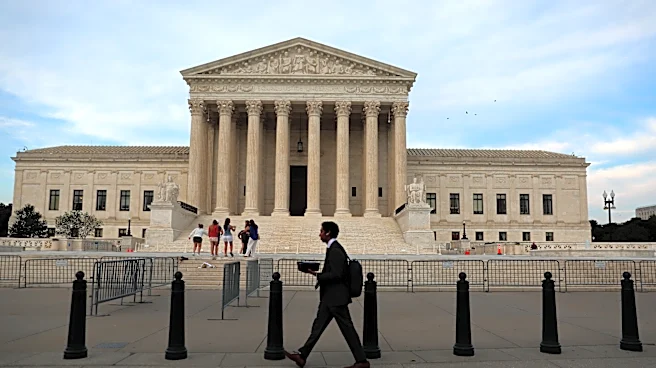
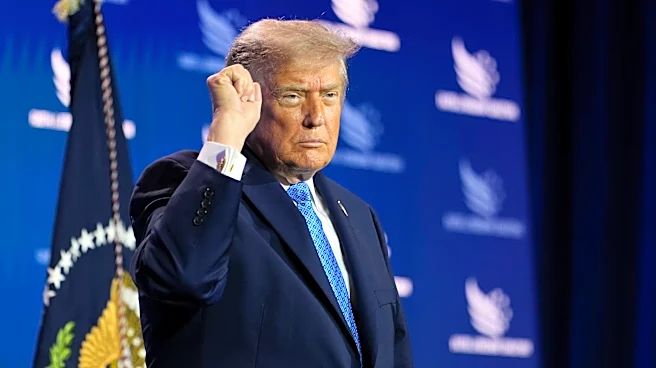
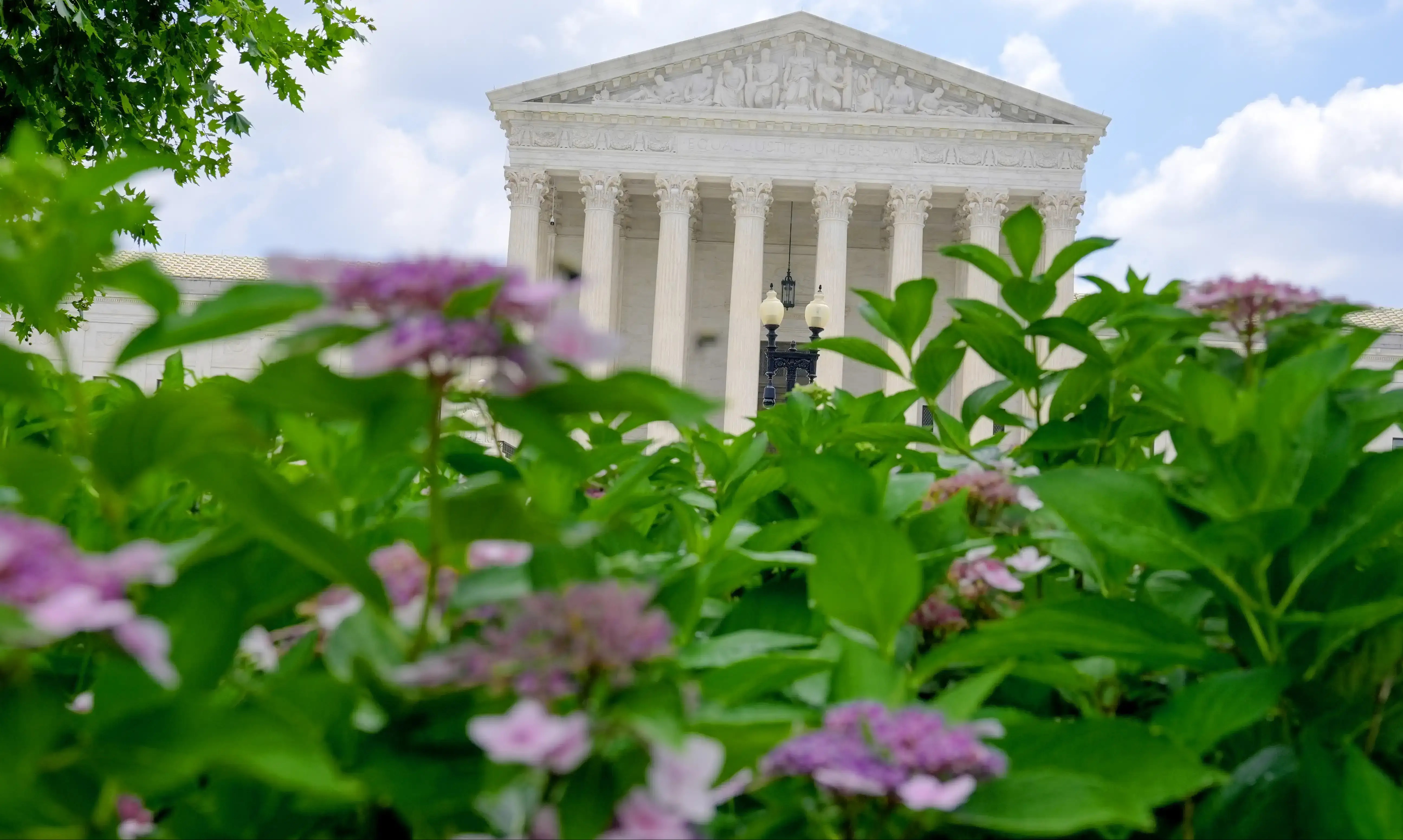
The U.S. Supreme Court has upheld the principle of birthright citizenship, rejecting an executive order from President Trump that sought to deny citizenship to children born in the U.S. to non-citizen parents. The decision reaffirms the precedent set
by the 1898 Wong Kim Ark case, which established that children born on U.S. soil are citizens, regardless of their parents' immigration status. The ruling was a 6-3 decision, with Chief Justice John Roberts writing for the majority, emphasizing the long-standing interpretation of the 14th Amendment. The decision has been celebrated by advocates for immigrant rights, while the White House has expressed its intent to pursue legislative changes to address the issue.
Why It's Important?
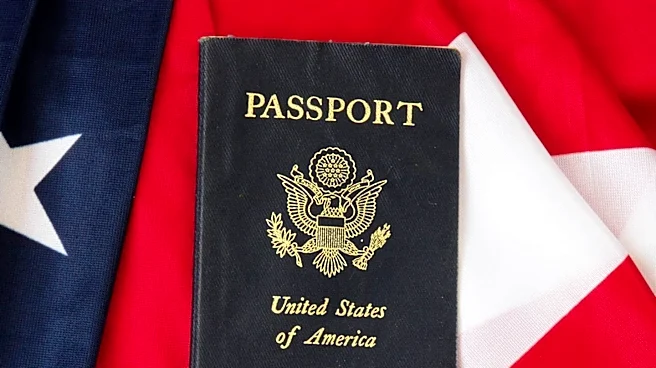
This ruling is significant as it reinforces the constitutional guarantee of birthright citizenship, a cornerstone of American identity and civil rights. The decision impacts hundreds of thousands of children born in the U.S. each year, ensuring their right to citizenship and the associated legal protections. The ruling also highlights the ongoing debate over immigration policy and the balance of power between the executive branch and the judiciary. By upholding this principle, the Supreme Court has reaffirmed the rule of law and the importance of constitutional protections in safeguarding individual rights against executive overreach.
What's Next?
Following the Supreme Court's decision, the White House has indicated plans to seek legislative action to address birthright citizenship. This could lead to renewed debates in Congress over immigration policy and potential amendments to the 14th Amendment. Advocacy groups and legal experts will likely continue to monitor and challenge any legislative efforts that seek to alter the current understanding of citizenship rights. The decision may also influence future judicial appointments and the broader political landscape, as immigration remains a contentious issue in U.S. politics.