


What's Happening?
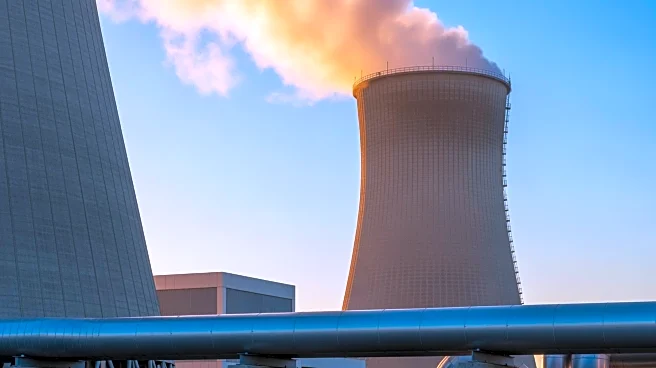
Japanese authorities have approved the restart of the Kashiwazaki-Kariwa Nuclear Power Plant, the world's largest, which has been inactive since the Fukushima disaster in 2011. The Niigata prefectural assembly has cleared Tokyo Electric Power Company
(TEPCO) to reactivate one of the plant's seven reactors. This decision is part of Japan's strategy to reduce reliance on imported fossil fuels, which currently account for 60-70% of its power generation. The move comes as Japan aims to double its nuclear power share to 20% by 2040, aligning with its commitment to net zero emissions by 2050. Despite safety upgrades and assurances from TEPCO, local residents remain concerned about potential risks, with a recent survey indicating significant public apprehension.
Why It's Important?
The restart of the Kashiwazaki-Kariwa plant is a significant step in Japan's energy policy, reflecting a shift towards nuclear power to address economic and environmental challenges. By reducing dependence on costly fossil fuel imports, Japan aims to stabilize energy costs and support economic growth. The decision also underscores Japan's commitment to reducing carbon emissions, as it is the fifth-largest emitter globally. However, the move is controversial due to lingering fears from the Fukushima disaster, highlighting the tension between energy needs and public safety concerns. The outcome of this policy could influence global nuclear energy debates and Japan's role in international climate commitments.
What's Next?
TEPCO plans to bring the No. 6 reactor online by January 20, following extensive safety checks and upgrades. The Japanese government and TEPCO will likely continue efforts to reassure the public about safety measures, while monitoring the plant's operations closely. The success of this restart could pave the way for further nuclear reactivations, impacting Japan's energy landscape and its ability to meet climate goals. Ongoing public opposition may lead to increased scrutiny and potential policy adjustments, as the government balances energy security with safety and environmental concerns.