




What's Happening?
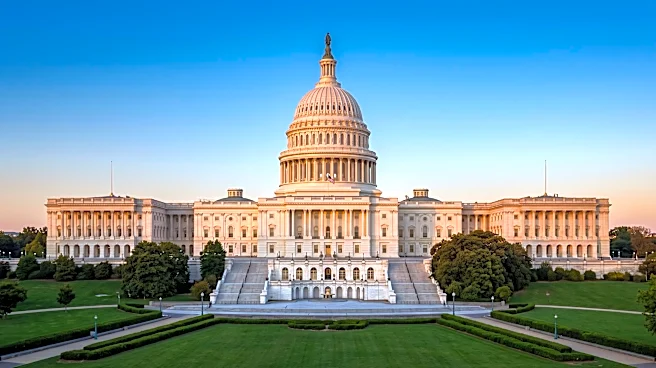
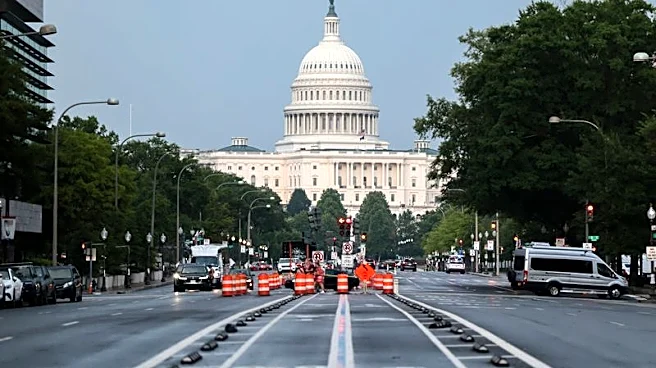
The U.S. House of Representatives has passed the Water Resources Development Act (WRDA) of 2026, with support from Congressman David Rouzer. This legislation, which received unanimous approval from the House Committee on Transportation and Infrastructure
on July 14, includes several key provisions for Southeastern North Carolina. Among these are the federal beach renourishment project for Surf City and multiple flood reduction studies for various communities in the region. Specifically, the Surf City project authorizes $292.8 million in federal funding over 50 years to periodically renourish the beach and dune system, aiming to reduce storm damage and enhance the long-term resilience of Topsail Island. Additionally, the bill advances three flood risk management studies in Whiteville's Waccamaw River Basin, Fayetteville's Cross Creek Watershed, and the Town of Topsail Beach, allowing the Army Corps of Engineers to evaluate solutions to mitigate flooding and better protect surrounding areas. The bill now proceeds to the Senate for further consideration.
Why It's Important?
This legislative action is crucial for the resilience and economic stability of coastal and flood-prone communities in Southeastern North Carolina. The authorized $292.8 million for Surf City's beach renourishment project directly addresses the ongoing challenge of coastal erosion and storm damage, which can devastate local economies reliant on tourism and fishing. By strengthening the natural barriers, the project aims to protect homes, businesses, and infrastructure from future natural disasters, thereby safeguarding property values and reducing the financial burden of post-storm recovery. Furthermore, the inclusion of flood reduction studies for Whiteville, Fayetteville, and Topsail Beach signifies a proactive approach to managing water resources and mitigating flood risks. These studies are essential for developing long-term solutions that can prevent significant economic losses, displacement of residents, and disruptions to local commerce caused by flooding. The legislation also supports economic growth by improving Corps operations and increasing collaboration with non-federal partners on maintenance dredging projects, which are vital for navigable waterways and port activities.
What's Next?
The Water Resources Development Act (WRDA) of 2026 will now move to the Senate for consideration. If passed by the Senate and signed into law, the authorized projects and studies for Southeastern North Carolina will proceed. For Surf City, the federal beach renourishment project will begin to receive its allocated $292.8 million in federal funding over the next 50 years, enabling periodic renourishment efforts. The flood risk management studies for Whiteville, Fayetteville, and Topsail Beach will advance, allowing the Army Corps of Engineers to conduct detailed evaluations and propose solutions to reduce flooding. Congressman Rouzer emphasized that the House passage is a significant step towards strengthening communities and making homes and businesses more resilient. The legislation also mandates the Corps to provide regular project updates to Congress, which is intended to accelerate project delivery and identify solutions to keep projects on track, suggesting ongoing oversight and potential adjustments as projects progress.
Beyond the Headlines
The passage of WRDA 2026 highlights a broader shift towards proactive infrastructure investment in response to increasing climate-related challenges, particularly in vulnerable coastal regions. Beyond the immediate benefits of storm protection and flood mitigation, this legislation underscores a commitment to long-term environmental stewardship and community resilience. The focus on periodic beach renourishment reflects an understanding that coastal protection is an ongoing process, requiring sustained federal investment rather than one-time interventions. Moreover, the inclusion of water quality studies, such as the one for the Cape Fear River, indicates a holistic approach to water resource management that extends beyond flood control to encompass ecosystem health and regional water supply. This integrated strategy acknowledges the interconnectedness of environmental systems and the need for comprehensive solutions to protect both natural resources and human populations. The emphasis on collaboration with non-federal partners also suggests a move towards shared responsibility and localized expertise in addressing complex water infrastructure challenges.