




What's Happening?
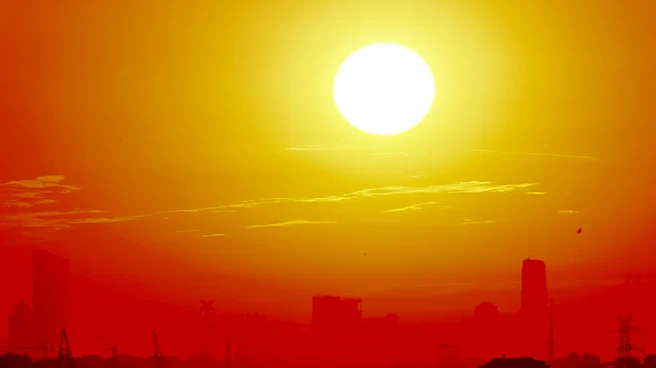
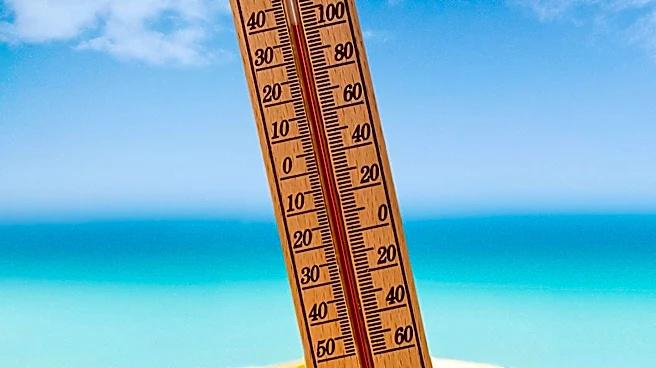
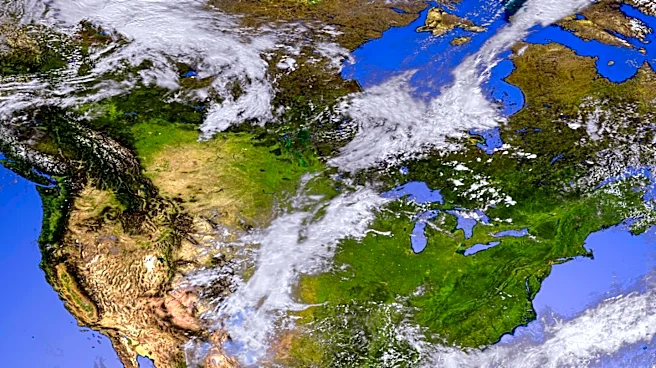
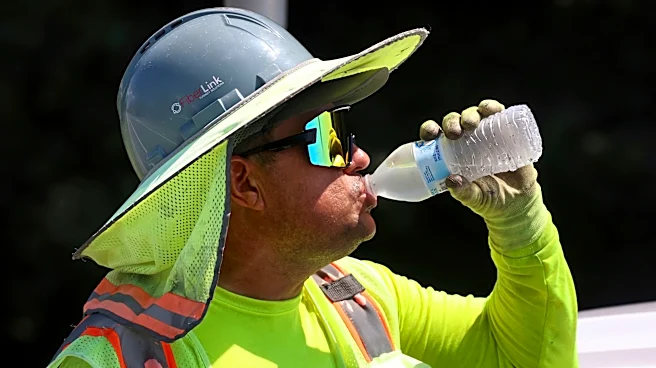
An intense and prolonged heat wave is expected to affect parts of the central and eastern United States ahead of Independence Day celebrations. Temperatures are predicted to climb into the 90s and 100s, with humidity pushing heat index values well above
100 degrees. Cities such as Chicago, Kansas City, and Philadelphia are under heat alerts, with some areas potentially experiencing record highs. The National Weather Service has issued warnings, and the heat is expected to persist through the Fourth of July.
Why It's Important?
The heat wave poses significant health risks, particularly for vulnerable populations such as the elderly and those with pre-existing health conditions. It also has implications for energy consumption, as increased use of air conditioning could strain power grids. The agricultural sector may face challenges due to the extreme temperatures, affecting crop yields and livestock. Additionally, the heat wave could impact outdoor Independence Day celebrations, prompting changes in plans and increased safety measures.
What's Next?
Authorities are likely to continue monitoring the situation and may issue additional advisories or implement measures to mitigate the impact of the heat wave. Residents in affected areas are advised to stay hydrated, avoid outdoor activities during peak heat, and check on vulnerable neighbors. Emergency services may prepare for increased demand due to heat-related illnesses. The situation underscores the importance of preparedness and adaptation strategies in the face of extreme weather events.